

The heating season is here, and the thermostat is back in the spotlight
Every fall the same question comes back: is a smart thermostat actually worth it, or is it just a gadget with a nice screen? This October, fresh research gives a clearer answer than the marketing ever has — and it is more nuanced than either the fans or the skeptics admit.
Parks Associates’ 2026 State of Home Energy Management report, released in October 2026, finds that 17% of US internet households now own a smart thermostat, and the same share — 17% — report having a heat pump. Those are low adoption numbers for technology that has been sold for over a decade, which is exactly why the report frames them as a growth opportunity for utilities and manufacturers rather than a saturated market.
What owners actually say about savings
Here is the striking number: 87% of smart thermostat owners report energy savings that met or exceeded their expectations. That is a strong satisfaction signal, and it lines up with ENERGY STAR’s estimate that certified smart thermostats save households an average of about 8% on heating and cooling bills. Note the scope of that figure: it applies to heating and cooling costs, not your entire energy bill.
But the honest version of this story includes a caveat. Consumer reporting in October 2026 points to field research — two randomized experiments tracked over 18 months — that found little evidence of a statistically significant average reduction in energy use, because residents’ behavior often undermined the savings. People overrode schedules, heated empty rooms, or simply did not use the energy-saving features intensively.
Both findings can be true at once. A smart thermostat saves money mainly by cutting heating and cooling you do not need. If you already keep a strict manual schedule, there is less waste to remove. If you routinely leave the heat high while you are out, the device has far more to work with.
Why heat pumps keep appearing in the same conversation
Search data from October 2026 shows heat pumps as the electrification anchor of home climate, with searches up 22% year over year. The connection is practical: a smart thermostat is often the control layer for a heat pump system, and both purchases tend to happen when a homeowner is rethinking heating costs.
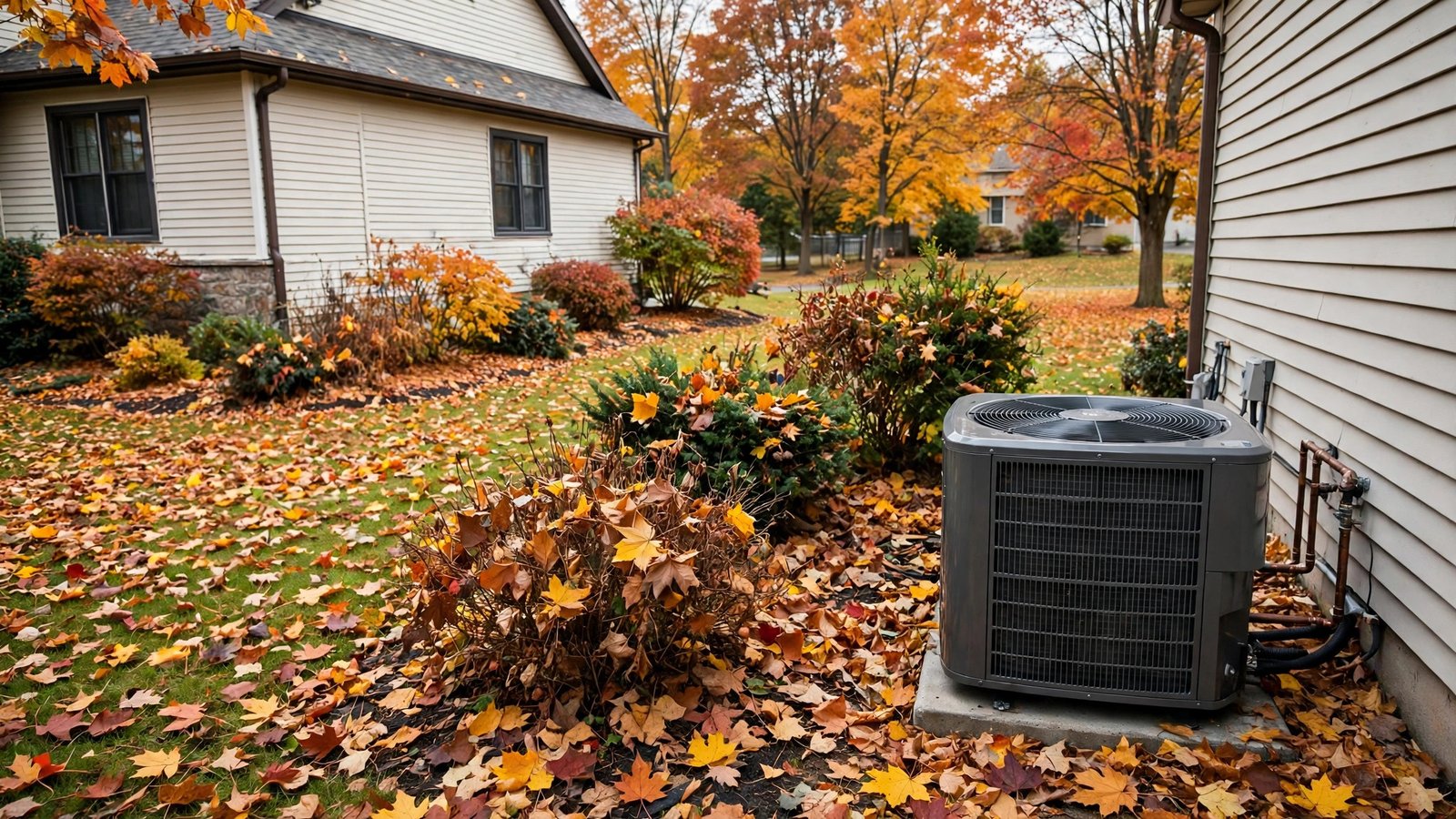
That does not mean a heat pump is right for every home. They work best in well-insulated houses, and installation costs and local climate matter enormously. What the data does suggest is that the two upgrades are increasingly bought as a pair — efficient equipment plus smarter control — rather than as isolated gadgets.
The missed opportunity: utility programs
Perhaps the most surprising finding in the Parks Associates report is that only 17% of smart thermostat owners participate in demand response programs — utility schemes that adjust your thermostat slightly during peak demand, usually in exchange for bill credits or rebates. That is a large untapped saving sitting in homes that already own the hardware.
If you already have a smart thermostat, checking your utility’s demand response or rebate program is the cheapest upgrade available: it costs nothing and uses equipment you already paid for. If you are shopping for one, a rebate-friendly certification can shorten the payback period considerably.
Checklist: should you buy one before winter?
- You leave the heat on in an empty house. This is the biggest savings signal. Scheduling and geofencing directly attack this waste.
- Your heating is uneven. Room sensors help when one room is always cold and another always hot — the thermostat stops reading only the hallway wall.
- Your utility offers rebates or a demand response program. Check before you buy; the rebate may decide which model makes sense.
- Your home is already well sealed and insulated. A smart thermostat cannot fix drafts or missing insulation — fix those first and the thermostat’s job gets easier.
- You will actually use the schedule. Be honest: if you will override it daily, the savings shrink. The device rewards a set-and-forget mindset.
The bottom line
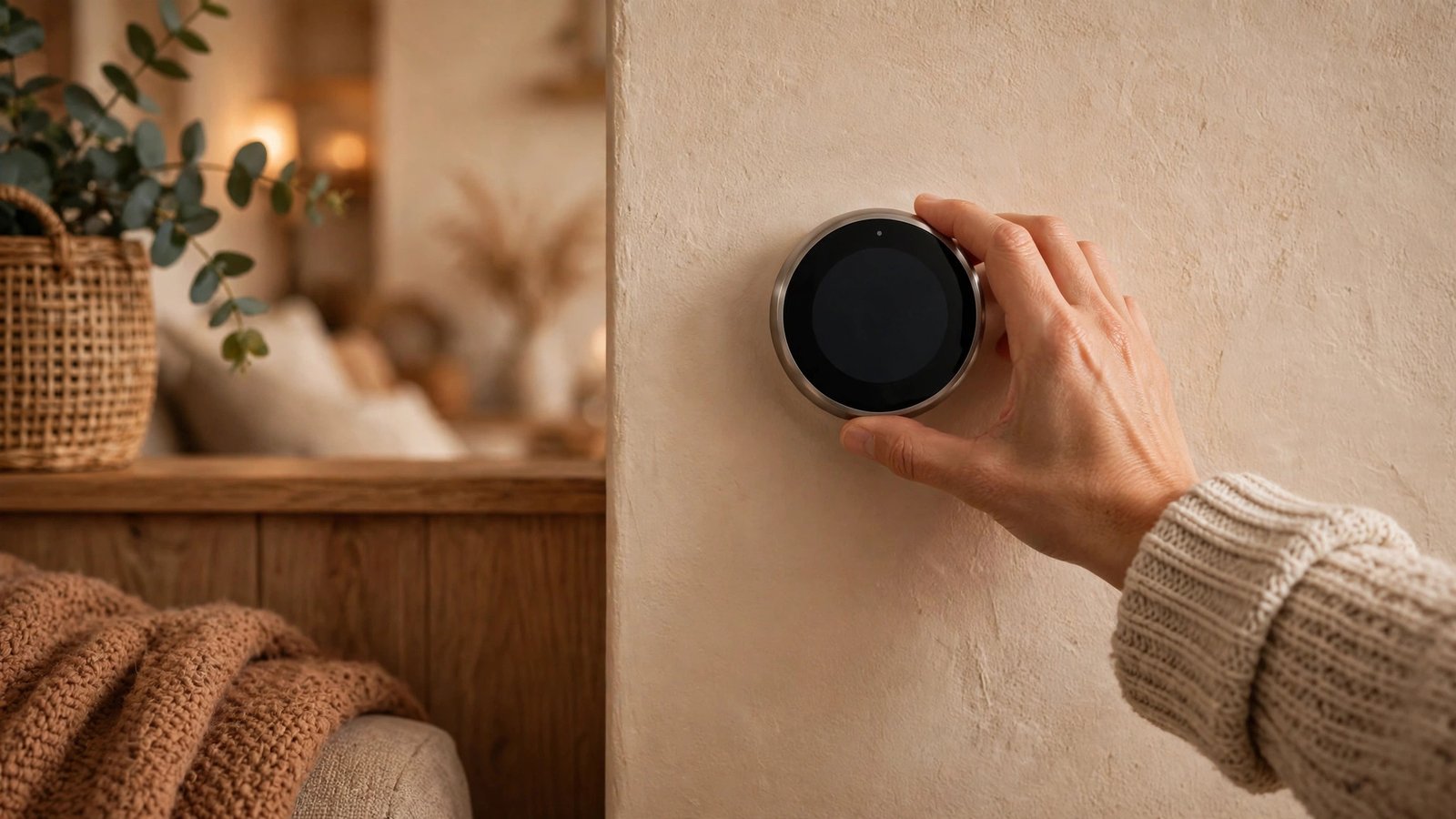
Smart thermostats are not magic, and they are not a scam either. The 2026 data paints a middle picture: owners are largely happy, average certified savings run around 8% of heating and cooling costs, and the biggest gains go to households with wasteful habits or uneven heating. Pair that with a utility rebate check and a look at your insulation, and you have a heating-season upgrade grounded in evidence rather than hype.
Sources: Parks Associates 2026 State of Home Energy Management report (October 2026); ENERGY STAR certified smart thermostat savings estimates; Consumer Affairs reporting, October 20, 2026; RisingTrends home appliance trends, October 2026.
Leave a Reply