
October is when heating systems fire up across the northern US and Europe — and when many of us find the house never quite feels warm. ENERGY STAR says the cracks and holes in a typical home can add up to as much air loss as an open window, wasting over 20 percent of heating energy. Most leaks are cheap afternoon fixes. Here are the nine most common.
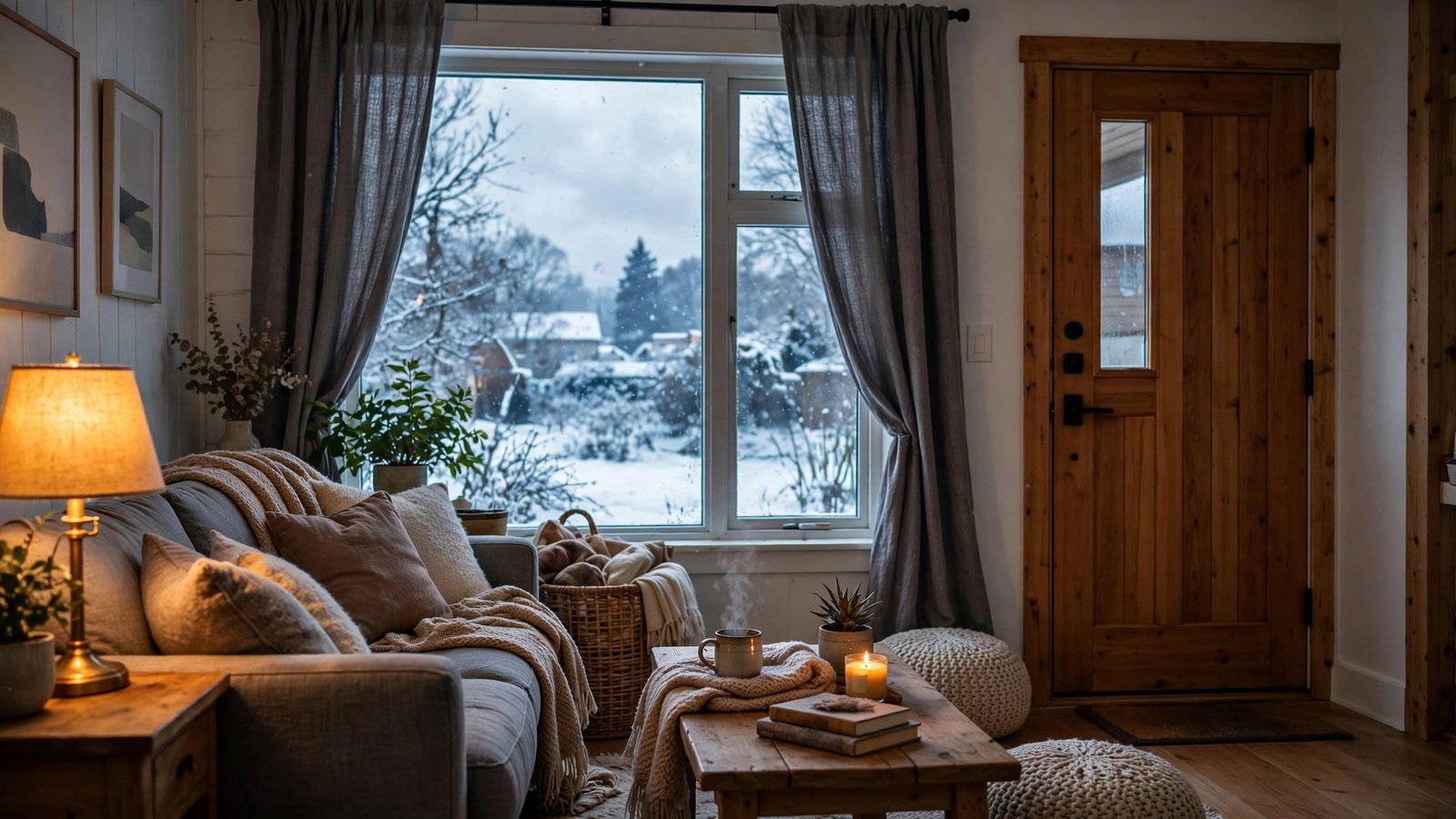
1–2. Doors and windows that don’t seal
On a windy day, feel along each exterior door for a thin ribbon of cold air. Daylight around a closed door, or one that rattles in its frame, means the seal is gone. Foam or V-strip weatherstripping plus a door sweep costs a few dollars per door and takes about 20 minutes.
Windows get blamed for every draft, but the seal around them is usually the real culprit. Try the tissue test: hold a tissue near the frame and watch for fluttering. A tube of caulk (a few dollars) seals gaps where the frame meets the wall; rope caulk handles sash gaps and peels off in spring. Clear window-film kits add a real extra layer over single-pane glass, and heavy curtains closed at dusk cut the cold radiating off it.
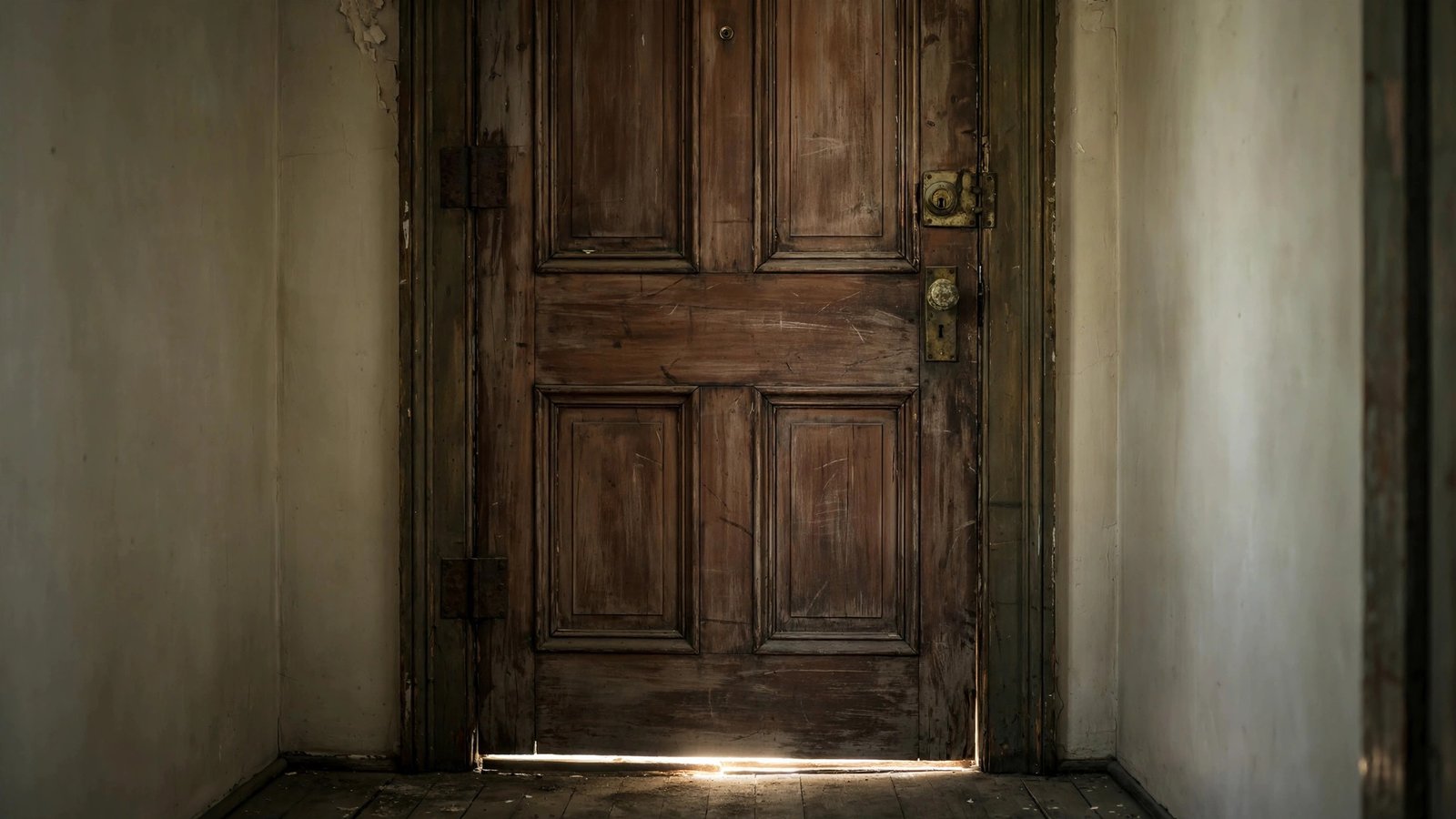
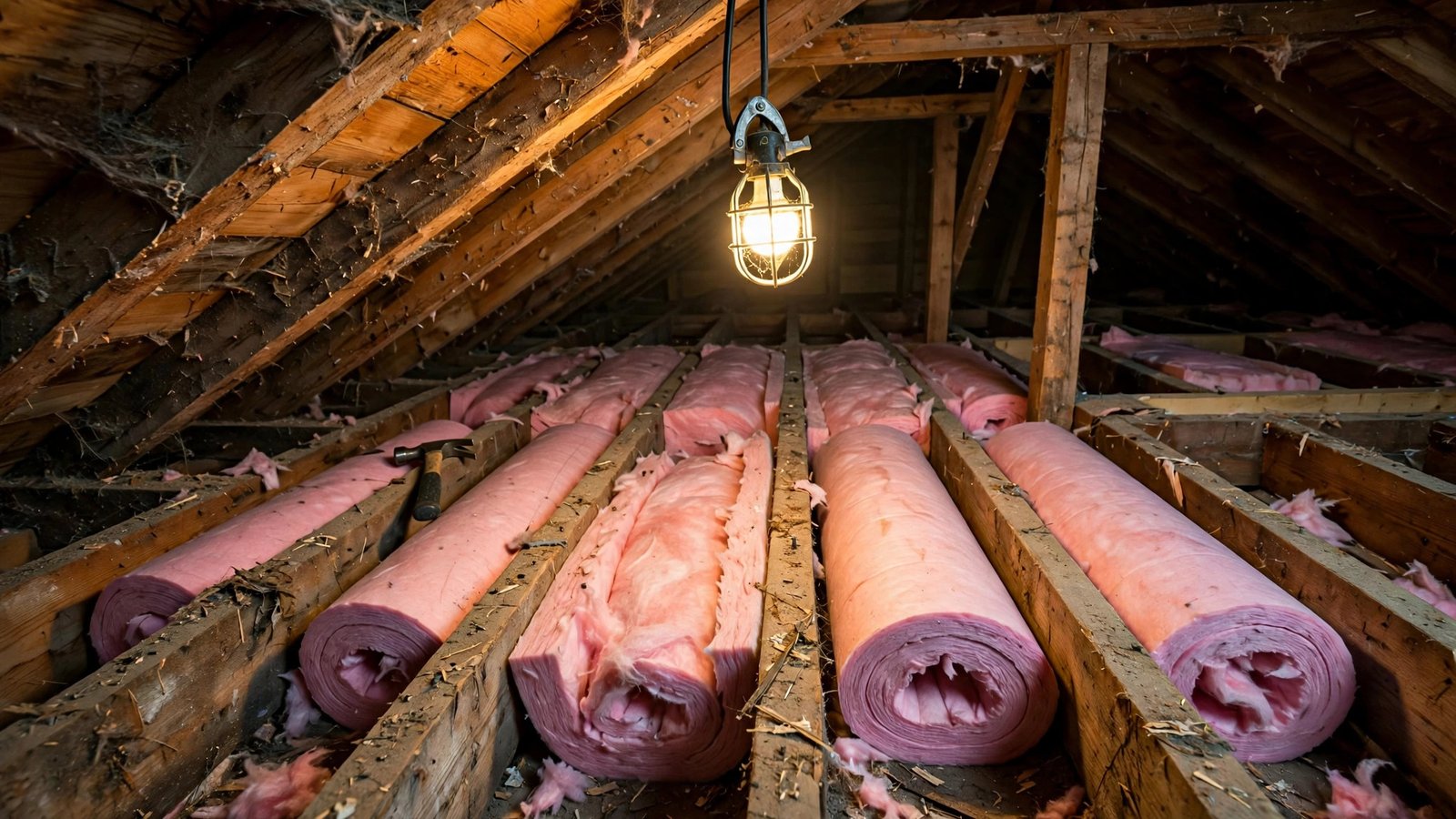
3–4. A thinly insulated attic — with a leaky hatch
Heat rises, so the attic is where heat loss hits hardest. If you can see ceiling joist tops through the insulation, or the coverage is patchy and compressed, it’s too thin — adding insulation is one of the highest-return energy projects there is. Seal air leaks in the attic floor first, or you’ll bury the problem. The attic hatch or pull-down stairs is often just a bare panel opening into a freezing attic; a DIY hatch cover kit (an insulated, weatherstripped box) fixes it in an afternoon.
5. The fireplace damper you forgot to close
A fireplace is built to carry heat up and out — and an open damper does exactly that, 24 hours a day, with no fire lit. The US Department of Housing and Urban Development notes that an open flue creates an upward draft pulling large quantities of heated air out of the room. If the damper is still open and the fireplace hasn’t been used since last winter, you’ve been heating the sky. Close it after every fire once the ashes are fully cool; an inflatable chimney draft stopper plugs a never-used flue and removes easily.
6. Hidden penetrations: recessed lights, outlets, pipe gaps
In many homes, the worst air leaks aren’t windows and doors at all, says the DOE — they’re the small holes where plumbing, wiring, and ducts pass through walls and ceilings. Recessed lights, exterior-wall outlets, the gap around the pipe under the sink: each leaks a little, and together they leak a lot.
Foam gaskets slip behind outlet and switch cover plates in about five minutes each. Seal gaps around pipes and wiring with foam or caulk — but check that anything used near recessed lights is rated for it, since older can lights run hot.
7. Leaky ducts in unheated spaces
Ducts running through attics, crawl spaces, or garages leak at their joints, and the DOE warns you can lose a substantial share of heated air before it reaches the register when ducts aren’t sealed and insulated in unheated areas. Suspect this if some rooms never quite warm up, or you can see separated joints on exposed ductwork. Seal small joints with mastic sealant or foil tape — not ordinary duct tape, which dries out on hot ducts — and insulate ducts in unconditioned spaces. Extensive or hard-to-reach ductwork deserves a professional visit.
8–9. Cold floors — and thermostat and vent mistakes
Rooms over unheated spaces (a garage, crawl space, enclosed porch) feel cold even when the thermostat reads fine. Insulating the floor’s underside between joists and sealing the rim joists handles most of it; area rugs genuinely change how a room feels.
Sometimes the problem is the controls. A thermostat on an exterior wall, in direct sun, above a register, or in a drafty hallway heats based on a wrong reading. Furniture against radiators or over vents pours heat into the back of a sofa instead of the room. The DOE recommends around 68°F while you’re awake, set back 7 to 10 degrees for about eight hours a day — up to 10 percent a year saved on heating and cooling. Then walk every room: move furniture off radiators, vacuum registers, and leave vents open.
The 30-minute draft hunt
Run through these in half an hour on a windy day:
- Drafts around exterior doors
- Tissue test along window frames
- Attic insulation thin or patchy? Joists showing?
- Attic hatch insulated and sealed?
- Chimney damper closed?
- Cold outlets or switch plates on exterior walls
- Pipe gaps under sinks and behind the dishwasher
- Weak airflow at far registers? Separated duct joints?
- Thermostat on an interior wall, out of sun and drafts?
- Furniture or curtains blocking vents, registers, or radiators?
Bottom line
A cold house with the heat running is almost never just bad luck — it’s air you paid to heat slipping through unseen gaps. Start with the cheapest wins (doors, caulk, outlet gaskets, the chimney damper), then tackle attic insulation and duct sealing. Fix enough of these nine leaks and the same thermostat setting feels like a different house — with a smaller bill to match.