
Fall is the home-maintenance deadline of the year. Every job on this list is cheaper in October than in January — and the first hard freeze typically lands between late October and mid-November. Treat fall as a countdown: what you don’t handle now becomes an emergency later.
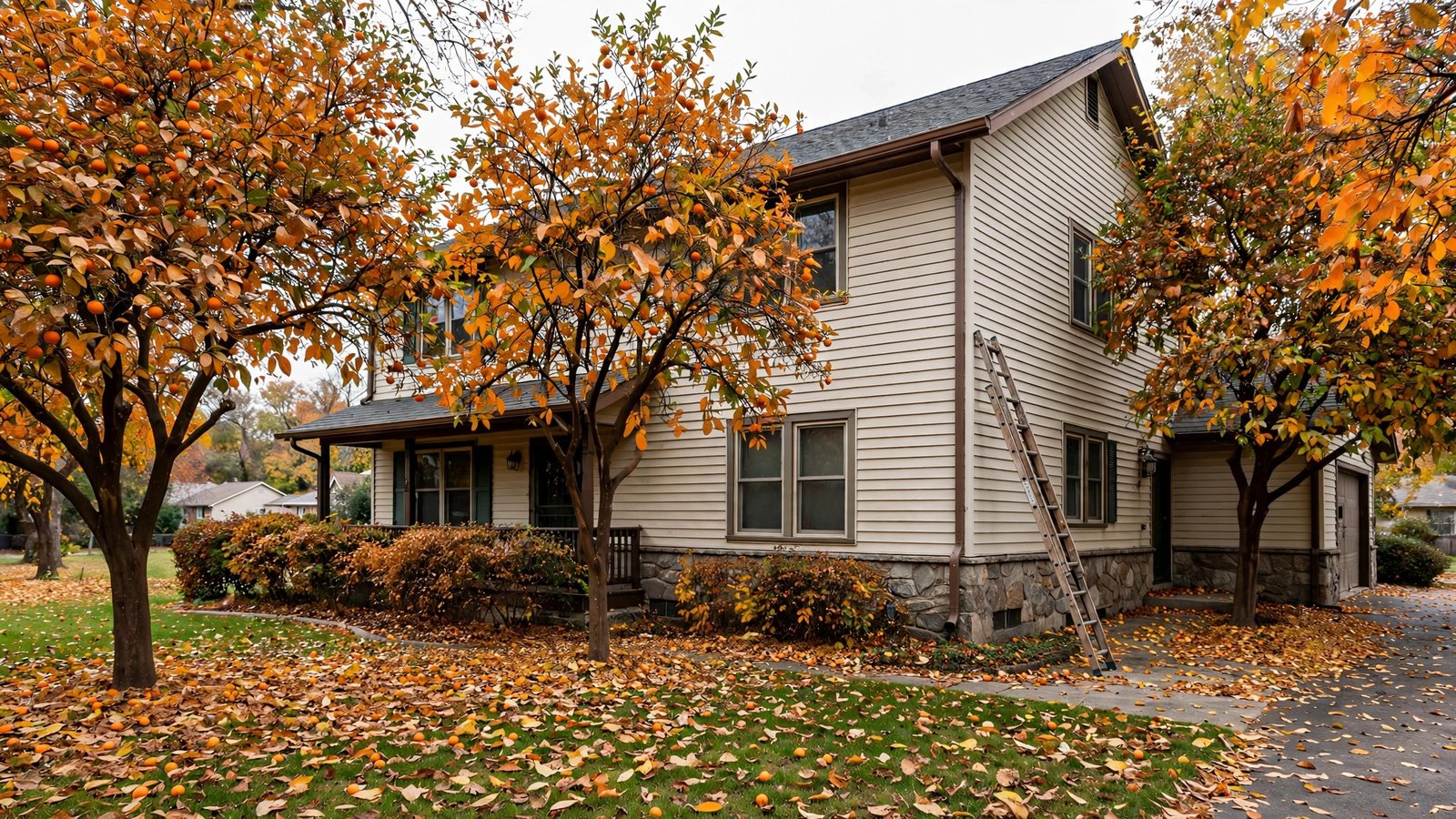
Exterior: stop water before it stops you
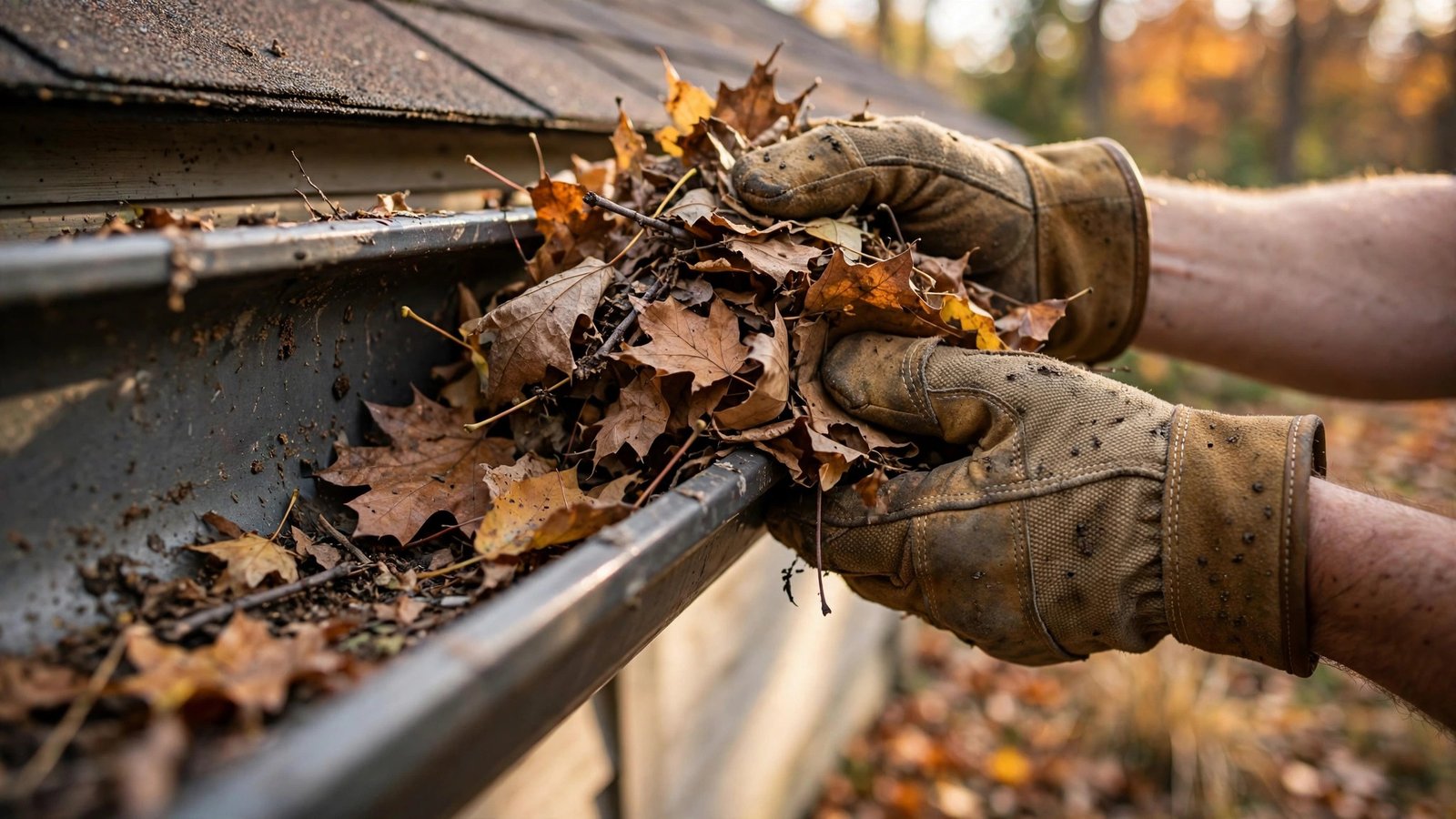
1. Clean the gutters and downspouts. Clogged gutters become ice dams — water backs up under shingles and into the attic. Clean before the first freeze; downspouts 5+ feet from the foundation (DOE). DIY.
2. Inspect the roof from the ground. Look for missing, curling, or cracked shingles and any sagging along the ridgeline. Roofers book up once the cold hits — schedule an inspection now if anything looks off. DIY to check; pro to repair.
3. Peek into the attic after a rain. Water stains under the roof deck or on the insulation mean active or recent leaks. Also make sure stored boxes aren’t blocking vents. DIY.
4. Seal gaps around windows and doors. Feel for drafts around every exterior frame. Caulk seals frame-to-wall gaps; weatherstripping or a door sweep handles doors — and it pays off in lower heating bills all winter. DIY.
5. Winterize outdoor water. Disconnect and drain hoses, shut off the indoor valve to outdoor faucets if you have one, then open the outdoor tap to drain the rest. For irrigation, follow the manufacturer’s steps or call the service. Mostly DIY; pro for irrigation.
6. Trim trees and shrubs. Cut back branches touching the roof, siding, or power lines — ice makes them heavy enough to snap. DIY for small branches; arborist for large limbs or anything near power lines.
7. Do the final lawn work and mulch the beds. One last mow, rake up the leaves (wet mats smother grass and invite mold), and spread fresh mulch to insulate roots through freeze-thaw cycles. DIY.
8. Prep for snow before you need it. Seal cracks in walkways and driveways now — freezing water widens them. Stock up on ice melt and confirm the shovel and snowblower work. DIY.
9. Check the foundation and siding. Walk the perimeter for widening foundation cracks and loose, cracked, or rotting siding. Seal small cracks with masonry caulk; get a pro’s eyes on anything wide or growing. DIY to check; pro if serious.
Heating & safety: don’t meet winter with a cold furnace
10. Replace the furnace/HVAC filter. A dirty filter chokes airflow and makes the furnace work harder. ENERGY STAR: check monthly in heavy-use seasons, replace at least every three months. Keep a spare on hand. DIY.
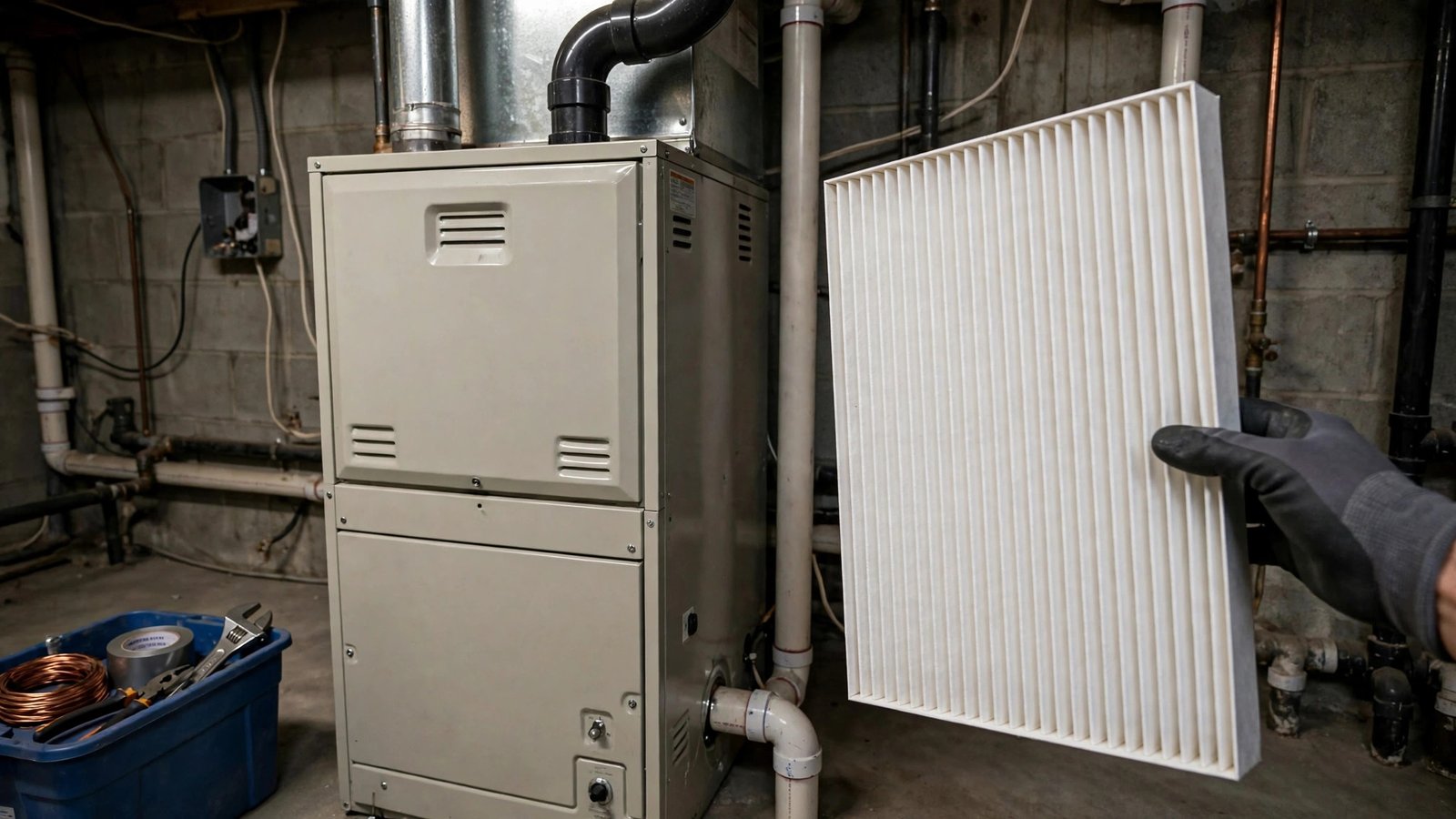
11. Schedule a heating tune-up. Book a professional visit before the first cold snap, while technicians still have open slots. A tech checks the burner, heat exchanger, and ignition, catching small problems early. Pro — strongly recommended.
12. Flip ceiling fans to winter mode. Find the direction switch on the motor housing and set blades to spin clockwise (viewed from below) on low — this pushes warm air at the ceiling back down without a draft. DIY.
13. Test smoke and carbon monoxide alarms. Press every test button and replace batteries unless the unit has a sealed 10-year battery. Replace smoke alarms about every 10 years (check the date on the back). CO alarms belong on every level and outside sleeping areas. DIY.
14. Clean the dryer vent to the outside. Lint buildup is a fire hazard — the NFPA identifies failure to clean as the leading cause of home dryer fires. Disconnect the vent hose, clear it, and check the exterior cap. DIY for the hose; pro if the run is long.
15. Have the chimney inspected and swept. If you burn wood, get an inspection before the first fire — creosote buildup is a chimney-fire risk. Keep the damper closed whenever the fireplace isn’t in use. Pro for inspection/sweeping.
Plumbing: freeze protection beats repairs
16. Insulate exposed pipes in cold zones. Pipes in garages, crawl spaces, and attics are the ones that freeze and burst. Foam insulation sleeves slide on in seconds — some of the cheapest insurance a homeowner can buy. DIY.
17. Flush the water heater once a year. Sediment at the tank bottom makes the heater work harder and shortens its life. Attach a hose to the drain valve and drain a few gallons until the water runs clear. Past about 10 years old, budget for a replacement. DIY if comfortable; plumber if not.
18. Know where your main water shutoff is. In a burst-pipe emergency, knowing its location — and that it actually turns — is the difference between a mop-up and a flooded basement. Find it, test it gently, and make sure everyone knows. DIY, free.
Interior: dial in comfort and efficiency
19. Set the thermostat for winter. DOE: around 68°F while you’re awake and home, set back 7 to 10 degrees for about eight hours a day — up to 10 percent a year saved on heating and cooling. A programmable thermostat automates it. (Heat-pump owners: check with your HVAC tech first.) DIY.
20. Check the garage door and locks. Weatherstrip the garage door and verify it seals at the bottom — a leaky attached garage pours cold air into the shared wall. Test all exterior locks and window latches while you’re at it. DIY.
Bottom line
None of these 20 tasks is dramatic on its own — that’s the point. Fall maintenance is about stacking small, cheap wins before winter turns them into emergencies. Do the exterior jobs on the next dry weekend, book the pros while they still have openings, and you’ll spend the cold months warm, dry, and un-surprised.