
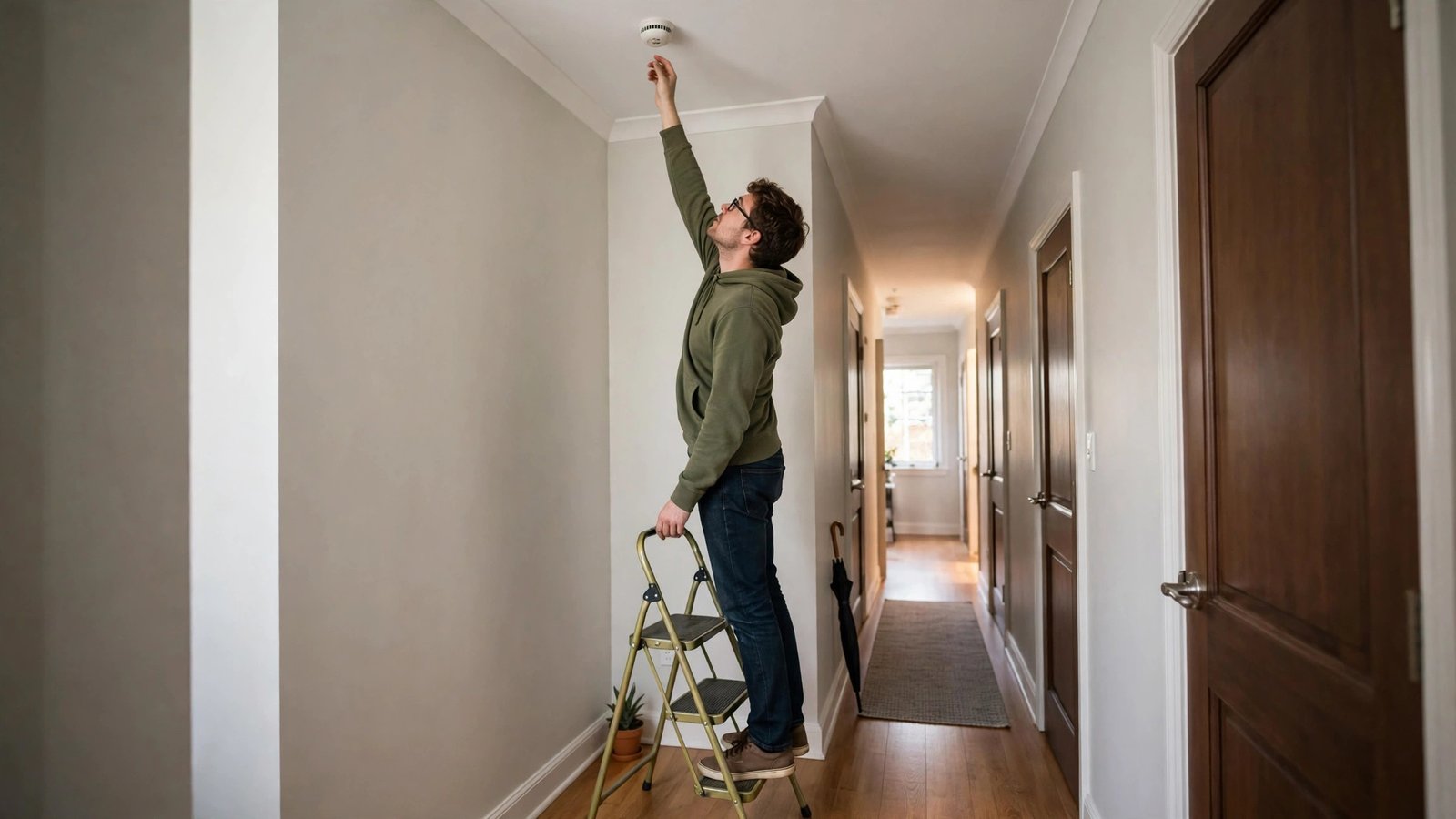
It’s 2 a.m. and somewhere in the house, a smoke detector lets out a single, piercing chirp. Then silence. Then, exactly one minute later, it does it again. That beep isn’t random — your detector is speaking a simple code, and each pattern means something different. Here’s how to decode it and make it stop.
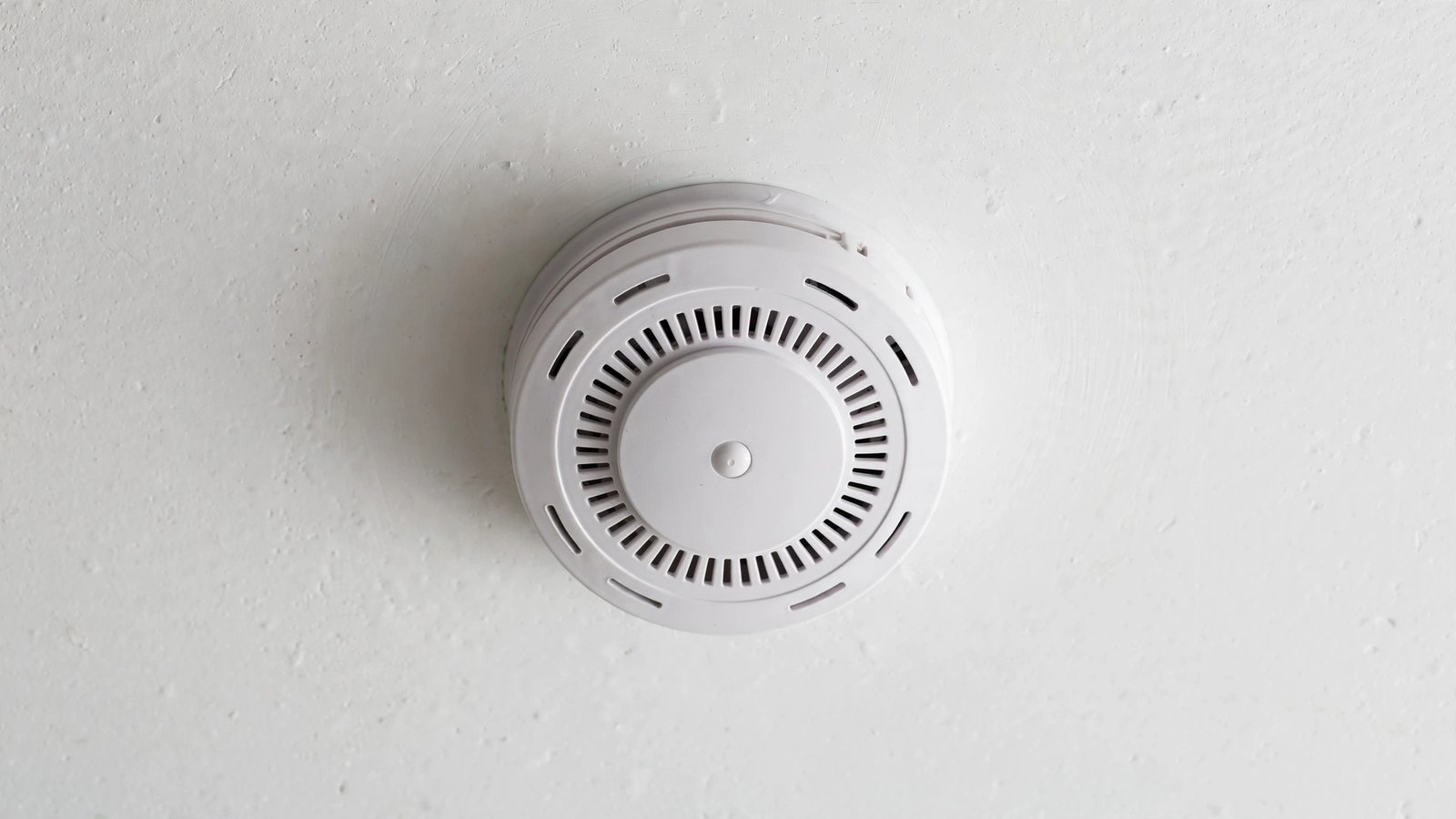
Pattern 1: One chirp every 30–60 seconds — low battery
This is the most common cause by far. When the battery runs low, the detector chirps at regular intervals to warn you.
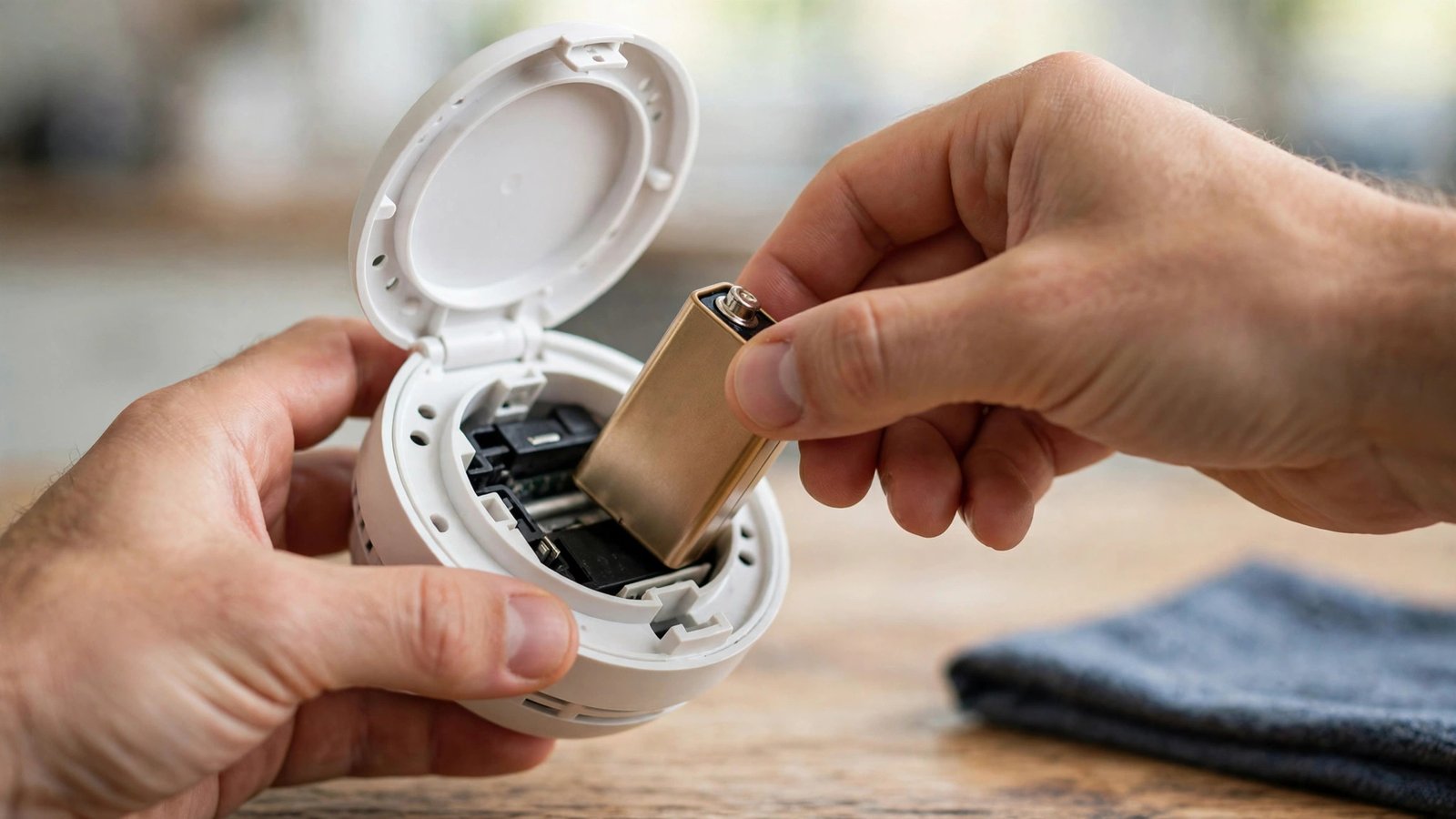
The fix: Replace the battery with a fresh one (check your manual for the right type — most use 9V or AA). Pro tip: change batteries in all your detectors at the same time, once a year, so they don’t start a relay race of midnight chirps. After replacing, press the test button to confirm the unit is working.
Pattern 2: Chirping continues with a fresh battery — end of life
If a brand-new battery doesn’t stop the chirp, check the manufacture date printed on the back of the unit. Smoke detectors expire — most need full replacement every 10 years. The sensors degrade over time, and an expired detector may not detect smoke reliably even if it still beeps.
The fix: Replace the entire unit. Write the installation date on the new one with a marker so you’ll know when its decade is up. If your home still has the original detectors from a 15-year-old build, replace them all now.
Pattern 3: Random chirps or false alarms — dust, steam, or bugs
Detectors are sensitive by design, which means they’re also sensitive to things that aren’t fires:
- Dust buildup inside the sensing chamber is a top cause of nuisance chirps.
- Steam from a shower or cooking can set off a hallway detector.
- Small insects occasionally wander inside and trigger the sensor.
- High humidity or temperature swings (near bathrooms, attics, garages) cause erratic behavior.
The fix: Vacuum the detector gently with a soft brush attachment every six months. If a detector sits right outside a bathroom or kitchen, consider relocating it a few feet further from the steam source — check local guidance for placement rules first.
Pattern 4: Three loud beeps, repeating — that’s a real alarm
Know the difference: a chirp (single short beep, spaced out) is a maintenance warning. Three loud beeps in a repeating pattern is the actual smoke alarm signal. If you hear that, treat it as real: get everyone out, then investigate. Never assume it’s a false alarm while you’re still inside.
Pattern 5: Beeping right after a power outage — hardwired units
If your detectors are hardwired with battery backup, a power outage can trigger chirping as the unit switches to backup power or the backup battery drains.
The fix: Once power is restored, the chirping usually stops on its own. If it doesn’t, replace the backup battery and press the test/reset button.
The maintenance checklist that prevents 90% of beeping
- ☐ Test monthly. Press the test button on every detector; it should sound the full alarm.
- ☐ Replace batteries yearly. Pick a memorable date (daylight saving time changes are the classic reminder).
- ☐ Vacuum detectors every 6 months. Dust is the silent chirp-starter.
- ☐ Replace the whole unit every 10 years. Check the manufacture date, not just the install date.
- ☐ One on every level. Bedrooms, hallways outside sleeping areas, and each floor — including the basement.
- ☐ Never paint over a detector. Paint clogs the sensors and can silence it permanently.
Smart detectors: worth knowing about
If you’re tired of the battery-chirp roulette, smart smoke detectors (which connect to your phone and send low-battery alerts before the chirping starts) solve the 2 a.m. problem elegantly. They also self-test and tell you exactly which unit needs attention. They cost more upfront, but for chronic chirp sufferers, the silence is golden.
The bottom line
A beeping smoke detector is never “just being annoying” — it’s reporting a specific problem: low battery, expired sensor, dust, or an actual alarm. Decode the pattern, fix the cause, and keep up the boring maintenance (test monthly, batteries yearly, new unit every decade). The chirp is the cheapest home-safety warning you’ll ever get. Don’t ignore it — and don’t just pull the battery and go back to sleep.