
The headline number is surprisingly small
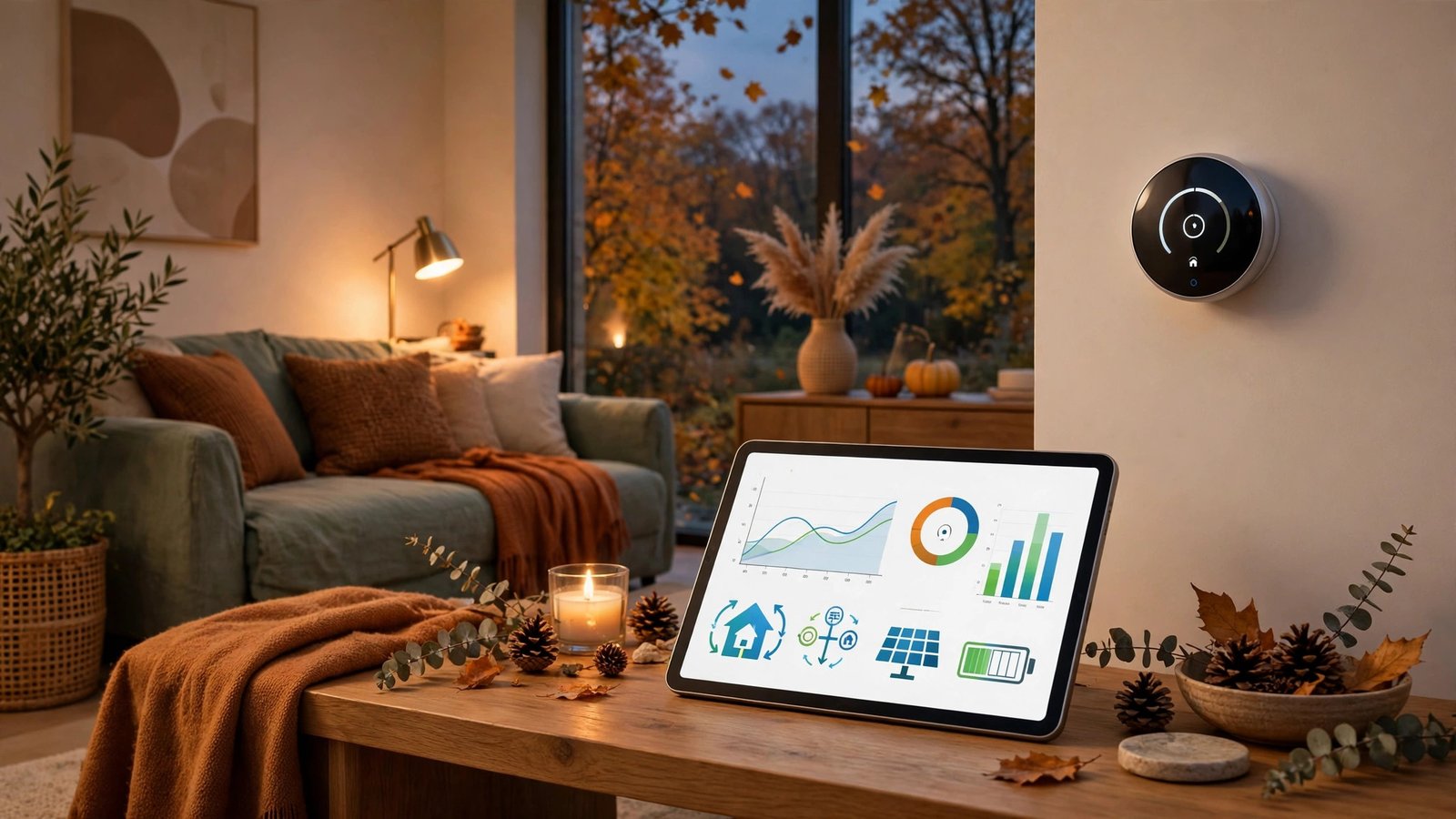
Smart home gadgets are everywhere in advertising, but a new research report suggests the part of the smart home that actually manages energy is still in its early days. Parks Associates’ 2026 State of Home Energy Management report, released on October 22, 2026, finds that just 17% of U.S. internet households own a smart thermostat — and the same share, 17%, report having a heat pump.
That is the headline worth pausing on. Thermostats and heat pumps are not obscure gadgets. They sit at the centre of the biggest energy cost in most homes: heating and cooling, which the U.S. Energy Information Administration says accounts for more than half of household energy use. If only about one home in six has either device, most homes are still heating and cooling the old-fashioned way, with little or no help from automation.
The report does not say smart home technology has failed. It says something more specific: the energy side of the smart home has not yet gone mainstream, even while lights, speakers and cameras have.
What the report actually found
Three findings from the Parks Associates release stand out for ordinary homeowners:
First, adoption is low across the board. Smart thermostat ownership at 17% and heat pump ownership at 17% show that the two most important pieces of home energy equipment are still minority purchases, not defaults.
Second, satisfaction is high where adoption has happened. Among smart thermostat owners, 87% report that their energy savings met or exceeded their expectations. That is a striking gap: people who buy the product mostly like what it does for their bills, yet most people have not bought one.
Third, utility programs are barely reaching those owners. Only 17% of smart thermostat owners participate in demand response programs — schemes in which a utility can make small, temporary adjustments to a thermostat during peak demand, usually in exchange for a bill credit or reward. In other words, even the homes that have the hardware are mostly not connected to the grid programs that could squeeze more value out of it.
Parks Associates analyst Daniel Holcomb summed up the tension in the release: smart thermostats have demonstrated their value to consumers, but participation in utility energy programs remains limited, and making products integrated and affordable — and programs easier to understand and join — could expand the market.
Why adoption is still so low
If owners are happy, why is ownership stuck at 17%? The report points to a few familiar barriers, and they ring true for anyone who has priced a heating upgrade.
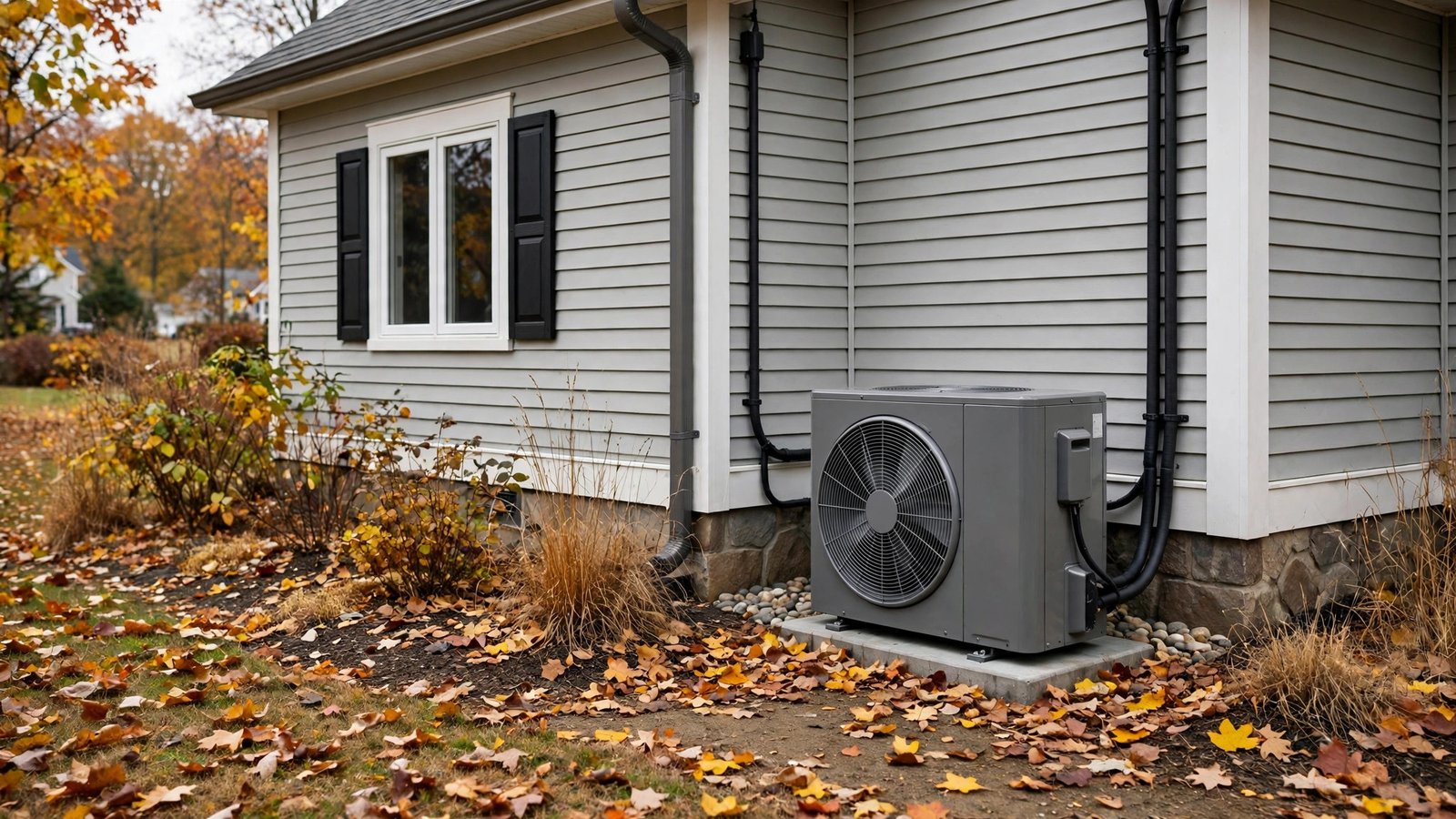
Cost comes first. A smart thermostat is a modest purchase, but a heat pump is a major one, often running into thousands of dollars before installation and any rebates. Many homeowners only replace heating equipment when the old system breaks, so upgrades happen on a failure timeline, not a shopping timeline.
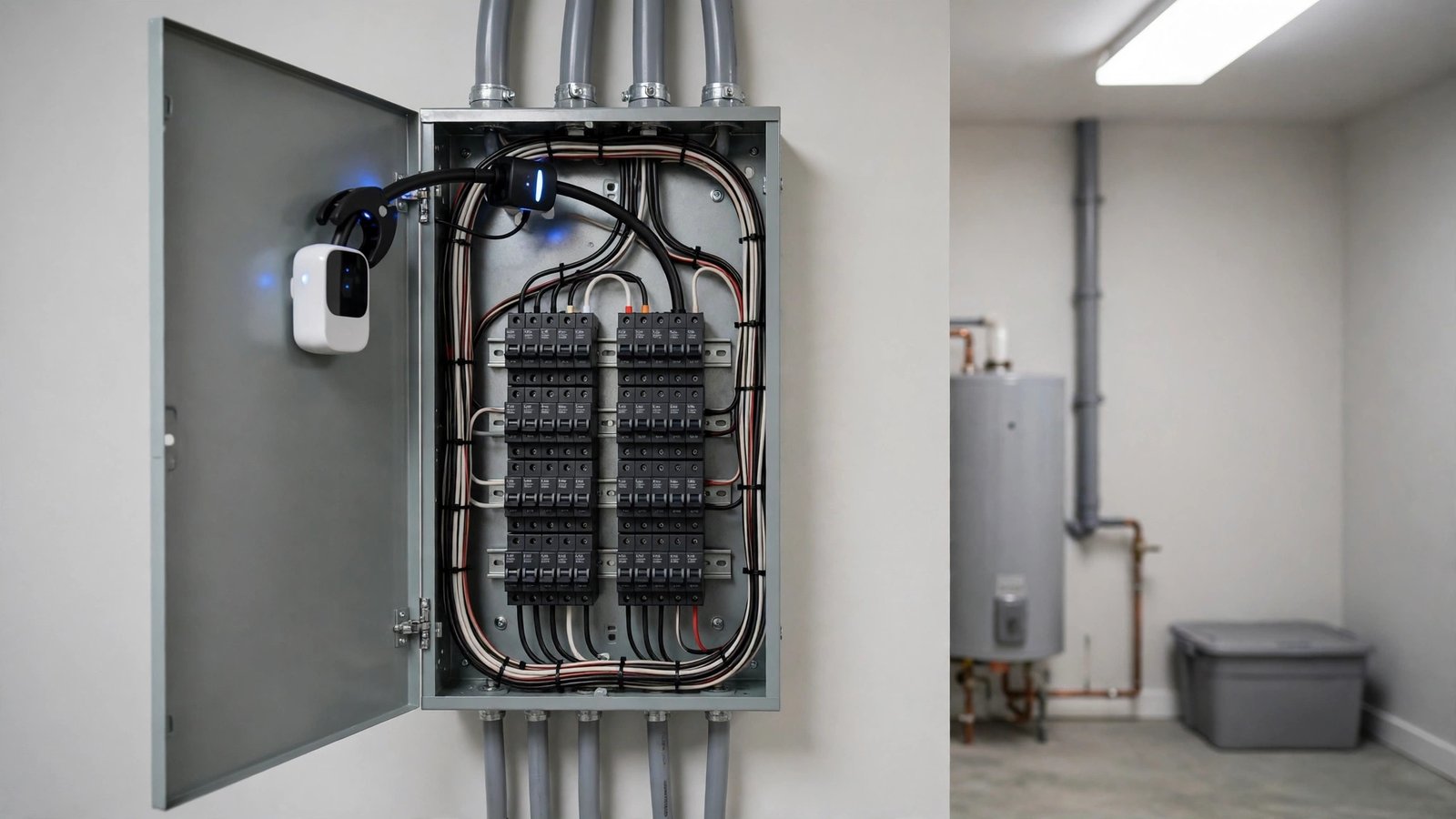
Complexity comes second. Energy management is not one product; it is a chain. A thermostat, a heat pump, a water heater, an electric vehicle charger and a home battery all have to work together, and they often come from different brands with different apps. That is a harder sell than a single smart speaker.
Confusion comes third. Demand response, time-of-use rates, rebates and grid programs are full of jargon, and the benefits are not always obvious until the first bill arrives. If a program takes an hour of paperwork to join and saves an unclear amount, most people will skip it.
What this means for your home this winter
You do not need to wait for the whole market to mature. The report’s own numbers suggest a practical order of operations for a homeowner heading into winter:
Start with the thermostat, if you do not have one. It is the cheapest entry point, and the 87% satisfaction figure suggests most buyers feel the savings. Check compatibility with your heating system before ordering, and check whether your utility offers a rebate — many do, and that can cut the upfront cost sharply.
Check your utility’s programs before you buy anything else. Search your utility’s website for “demand response,” “smart thermostat rebate” or “time-of-use” plans. A program you can join in ten minutes is worth more than a perfect device you never connect.
Treat a heat pump as a replacement decision, not an impulse buy. When your furnace or air conditioner is near the end of its life, get quotes for a heat pump alongside a like-for-like replacement, and ask about federal, state and utility incentives in writing. The comparison only makes sense with real numbers for your home.
Connect what you already own. If you already have a smart thermostat, check its app for a utility or energy program section. Enrolling is often a few taps, and it is exactly the step most owners have not taken.
Track one number, not ten. Pick a single metric — your monthly heating cost, or your thermostat’s reported runtime — and watch it across the winter. Energy management only pays off if you can see whether it is working.
The bigger picture
Parks Associates will discuss these findings in a Smart Energy Summit session on October 29, 2026, titled “Is a Smart Home Really Smart Without Energy Management?” The question is a good one. A home full of voice assistants and smart lights is convenient, but if it cannot manage its biggest energy load, it is arguably not very smart at all.
Bottom line
Only 17% of U.S. internet households own a smart thermostat, and only 17% have a heat pump, according to Parks Associates’ 2026 report. Yet 87% of smart thermostat owners say savings met or beat expectations, while just 17% of them are in demand response programs. The opportunity is not a new gadget — it is connecting the gadgets that already work to the programs that already exist.
Sources: Parks Associates 2026 State of Home Energy Management report, via PR Newswire, October 22, 2026; U.S. Energy Information Administration figures on heating and cooling share of household energy use.