
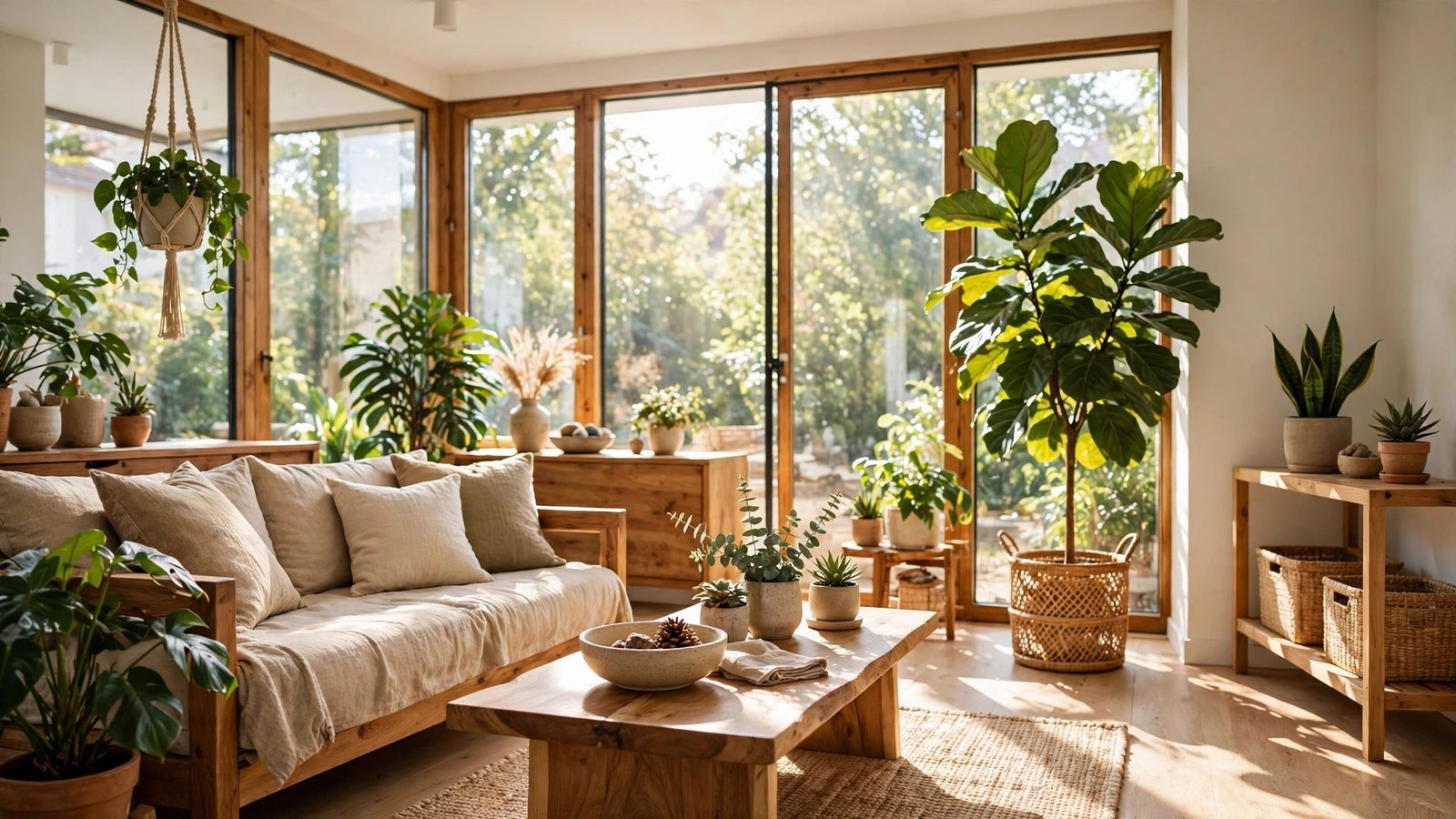
The biggest home trend of 2026 is not a color or a gadget. It is a question: can this home be kinder to the planet and cheaper to run at the same time? Across design coverage this year, the same answers keep appearing — sustainable materials, natural textures, indoor plants, and smarter use of light and heat. The good news is that none of it requires a renovation. The most effective eco-friendly refresh is a series of small swaps, done in the right order, that pay for themselves in lower bills and less waste.
This guide sticks to swaps that do both jobs: better for the environment and better for your wallet. If a “green” product only does one of those, it does not make the list.
Start with what you already own
The greenest material is the one you do not buy. Before spending anything, walk each room and look for the easy wins: furniture that could move to a better spot instead of being replaced, curtains that could be washed and rehung, and storage you already own that could be repurposed. Every item you keep out of a landfill — and out of a delivery truck — beats any eco-certified replacement.
When you do need something new, look for reclaimed wood, bamboo and recycled materials first. Reclaimed wood shelves, a bamboo bath mat, or a side table made from recycled timber all bring natural texture into a room, and they are often cheaper than new hardwood equivalents because the material itself is salvaged rather than freshly milled. Check local salvage yards, secondhand shops and community marketplaces before ordering new: the most sustainable purchase is usually the one made closest to home.
The same rule applies to textiles. Washable cloths instead of single-use wipes, a good doormat that actually traps dirt, and draft stoppers at leaky doors all reduce ongoing consumption. They are unglamorous, but they are the swaps you will still be glad about in three years, long after a trendy accessory has been donated.
Paint: the highest-impact weekend swap
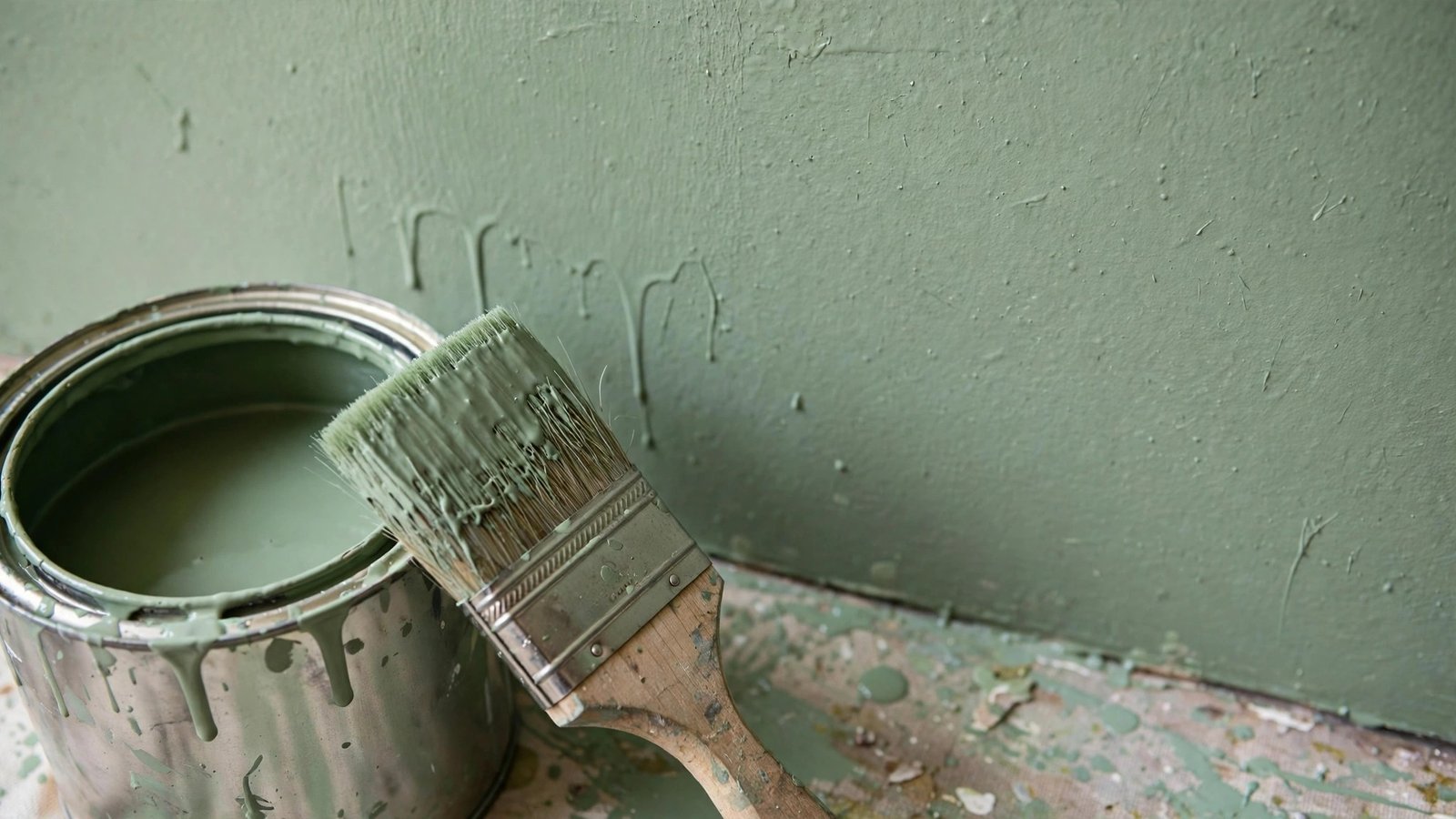
If you only do one project this fall, repaint one room — and choose the paint carefully. Low-VOC and zero-VOC paints release far fewer volatile organic compounds than traditional paints, which means less chemical smell while you paint and cleaner indoor air afterwards. That matters most in bedrooms and in homes with kids, pets or anyone sensitive to strong smells.
Preparation matters as much as the product. Clean the walls, fill small holes, and use painter’s tape properly — a careful prep job means one coat may do where a rushed job needs two, and that saves paint, money and waste. Keep leftover paint sealed and labeled for touch-ups instead of throwing it away; a small labeled jar per room is one of the most useful things you can store.
Color choice plays an eco role too, in a quiet way. Lighter, warmer tones reflect more light, which means you need fewer lamps on in the evening. It is a small effect per room, but across a whole house it adds up — and it is free.
Light, heat and water: where the savings actually live
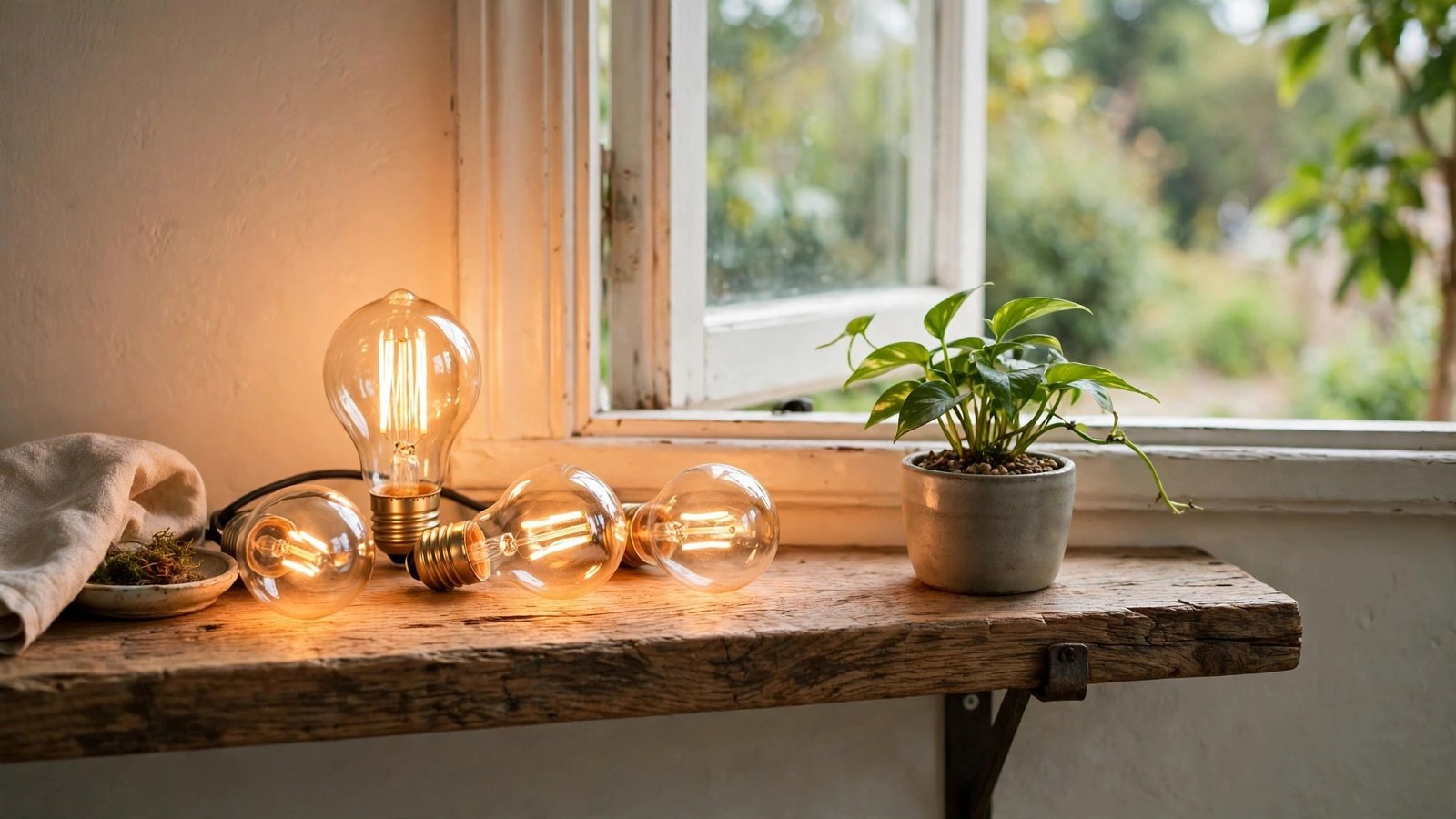
Lighting is the easiest energy swap in any home. If you still have old incandescent or halogen bulbs anywhere, replacing them with warm LED bulbs is the rare upgrade that pays for itself quickly through lower electricity use and far longer bulb life. The trick is consistency: pick one color temperature for a room — warm white for living spaces, slightly cooler for task areas — so the room feels intentional rather than patched together. Mixed color temperatures are the most common reason a room looks “off” after a bulb swap.
Layer your lighting while you are at it. A room lit only by a ceiling fixture needs that fixture on full blast; a room with a ceiling light, a table lamp and a plug-in sconce can feel brighter and cozier at lower total brightness. That layered approach is one of the strongest design trends of 2026, and it happens to save energy too.
Heat is the bigger bill, and the fixes are mostly unglamorous: seal obvious drafts around doors and windows, close the damper when the fireplace is not in use, and keep vents and radiators clear of furniture. A room that heats evenly needs less heat overall. In winter, a simple habit — opening curtains on sunny windows during the day and closing them at dusk — uses free solar warmth and then traps it.
Water savings follow the same pattern of small, durable fixes: fix dripping taps promptly (a steady drip wastes far more water over a month than most people guess), fit aerators where you can, and run dishwashers and washing machines with full loads. None of this requires new appliances — just attention to the ones you have.
Bring nature in — and keep it alive
Biophilic design, the trend of weaving nature directly into interiors, sounds fancy but mostly means plants, daylight and natural materials. A few healthy plants do more for a room than a shelf of decorative objects, and they genuinely improve how a space feels. The mistake most people make is buying too many, too fast.
Start with two or three plants suited to your actual light, not the light you wish you had. A low-light corner needs a plant that tolerates shade; a sunny windowsill suits herbs and sun-lovers. Group plants near a water source so watering is easy, and check the soil before watering rather than watering on a fixed schedule — overwatering kills more houseplants than neglect. If a plant dies, treat it as information about that spot, not as a failure, and replace it with something tougher.
Natural materials work the same way. A jute rug, linen curtains, a wooden tray or a stone coaster set adds texture without plastic shine, and these materials age gracefully instead of looking worn out. You do not need to replace everything at once; one natural piece per room is enough to shift the whole feel.
What not to do
Do not throw away perfectly good items just to buy “eco” replacements — that is the opposite of sustainable. Do not buy cheap “green” gadgets that will break in a year; durability is the most important eco credential any product has. And do not trust every green label at face value: look for specific claims (recycled content percentage, VOC level, energy rating) rather than vague words like “natural” or “earth-friendly” on the packaging.
FAQ
What is the cheapest eco-friendly swap to start with? LED bulbs and draft sealing. Both cost little, need no skills, and show up on your very next energy bill.
Is low-VOC paint really different? Yes. VOCs are the chemicals that give fresh paint its strong smell. Low-VOC and zero-VOC formulas release far less of them, so the room is comfortable sooner and indoor air stays cleaner.
Does reclaimed wood cost more? Not usually for small pieces like shelves, frames and accent furniture. Salvaged material can be cheaper than new hardwood, and local salvage sources cut delivery costs too.
Can an eco refresh work in a rental? Absolutely — almost everything here (bulbs, plants, textiles, removable draft stoppers, freestanding furniture) moves with you and needs no landlord permission.
The bottom line
An eco-friendly home refresh is not a renovation and it is not a shopping spree. Keep what works, swap what wastes, choose low-VOC paint when you repaint, layer your lighting, seal your drafts, and let a few well-chosen plants and natural materials do the decorating. Done that way, sustainability is not a sacrifice — it is just a home that costs less to run and feels better to live in.
Leave a Reply