

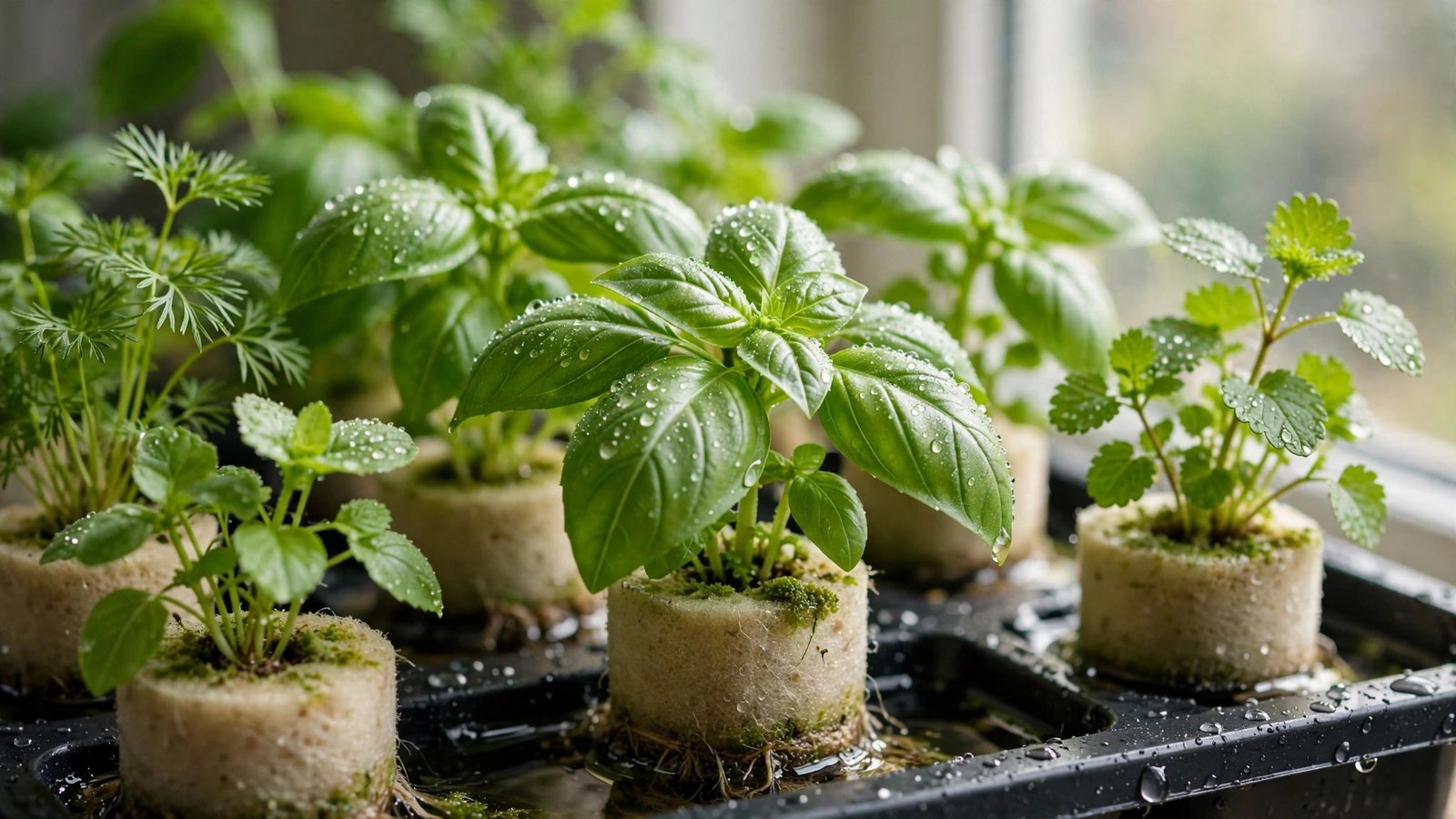
Fresh basil in January. Cherry tomatoes in March. No backyard, no balcony, no soil under your fingernails. That’s the pitch behind the LetPot LPH-Home Smart 2-Tier Indoor Garden, which launched on Kickstarter on October 1, 2026 — and it’s riding one of the strongest home trends of the year: growing food indoors, beautifully.
What the LPH-Home actually is
According to LetPot’s launch announcement, here’s what the system offers:
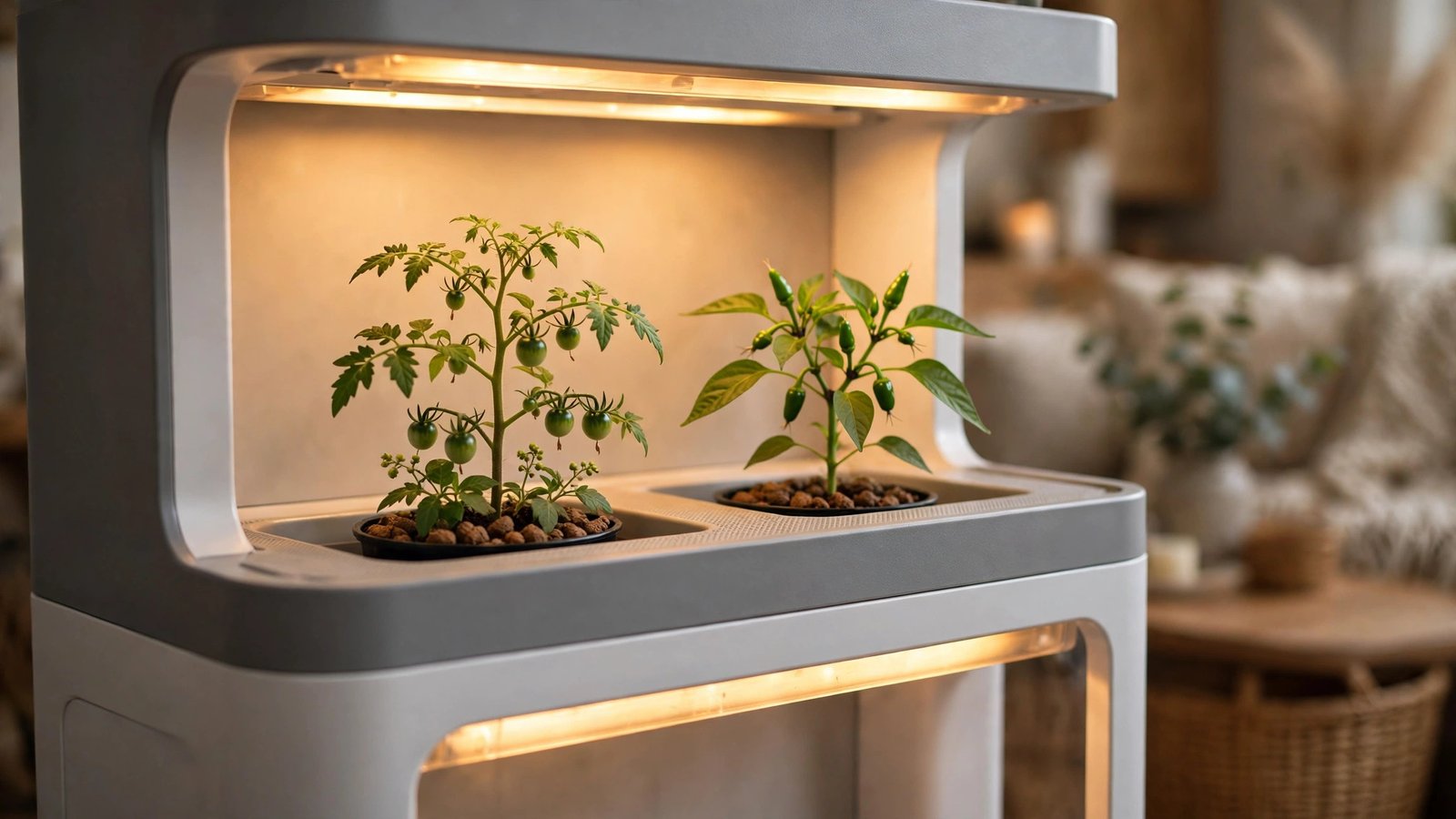
- Two independent growing zones in one unit. Each tier gets its own 6-liter water reservoir and its own EC (nutrient concentration) monitoring — so you can grow compact tomatoes or peppers up top while herbs and leafy greens thrive below, each with conditions suited to them.
- Room for up to 32 plants. The upper tier offers adjustable growing height for taller crops; the lower tier is set up for frequently harvested herbs, greens, and smaller plants.
- Grower-controlled nutrients. The system measures EC levels and sends reminders, but nutrients aren’t added automatically — you stay in control of what goes in.
- Designed to look like furniture. A warm, bamboo-forward structure with integrated wiring and a compact two-tier footprint, meant to sit in kitchens, dining areas, and living spaces without looking like lab equipment.
Why indoor gardens are having a moment
The LPH-Home isn’t arriving in a vacuum. Indoor growing has been quietly booming for a few years now, and the reasons are practical:
- Grocery prices keep pushing people toward growing their own herbs and greens — the plants with the best “grow it yourself” return on investment.
- Small-space living means most renters and apartment dwellers have no outdoor growing option at all.
- The tech finally looks good. Early hydroponic kits looked like science projects. The new generation — bamboo, warm lighting, furniture-grade finishes — is designed for the kitchen counter, not the garage.
A two-tier system specifically solves the biggest complaint about older indoor gardens: one reservoir, one nutrient plan, one plant height — which meant your tomatoes and your basil were always compromising with each other.
Before you back it: the honest checklist
This launched as a Kickstarter campaign, so a few caveats apply — to this and any crowdfunded product:
- Crowdfunding is not shopping. Delivery dates can slip, and there’s always some risk. Back only what you can afford to wait for.
- Check the campaign page for current status — funding progress, backer count, and estimated shipping dates change after launch.
- Count your counter space. Measure where it would actually live, including height clearance for the upper tier’s taller crops.
- Be realistic about yields. An indoor garden supplements your grocery runs with fresh herbs and greens; it won’t replace them.
- Factor in consumables. Nutrients, replacement pods, and electricity are ongoing costs — ask what a year of growing actually costs.
Bottom line
The idea behind the LPH-Home is genuinely smart: give each plant type its own zone instead of forcing everything to share one setup, and make the whole thing pretty enough for the kitchen. If indoor growing is on your 2026 wish list, this is one to watch — just do it with a backer’s eyes open, not a shopper’s.
Leave a Reply