
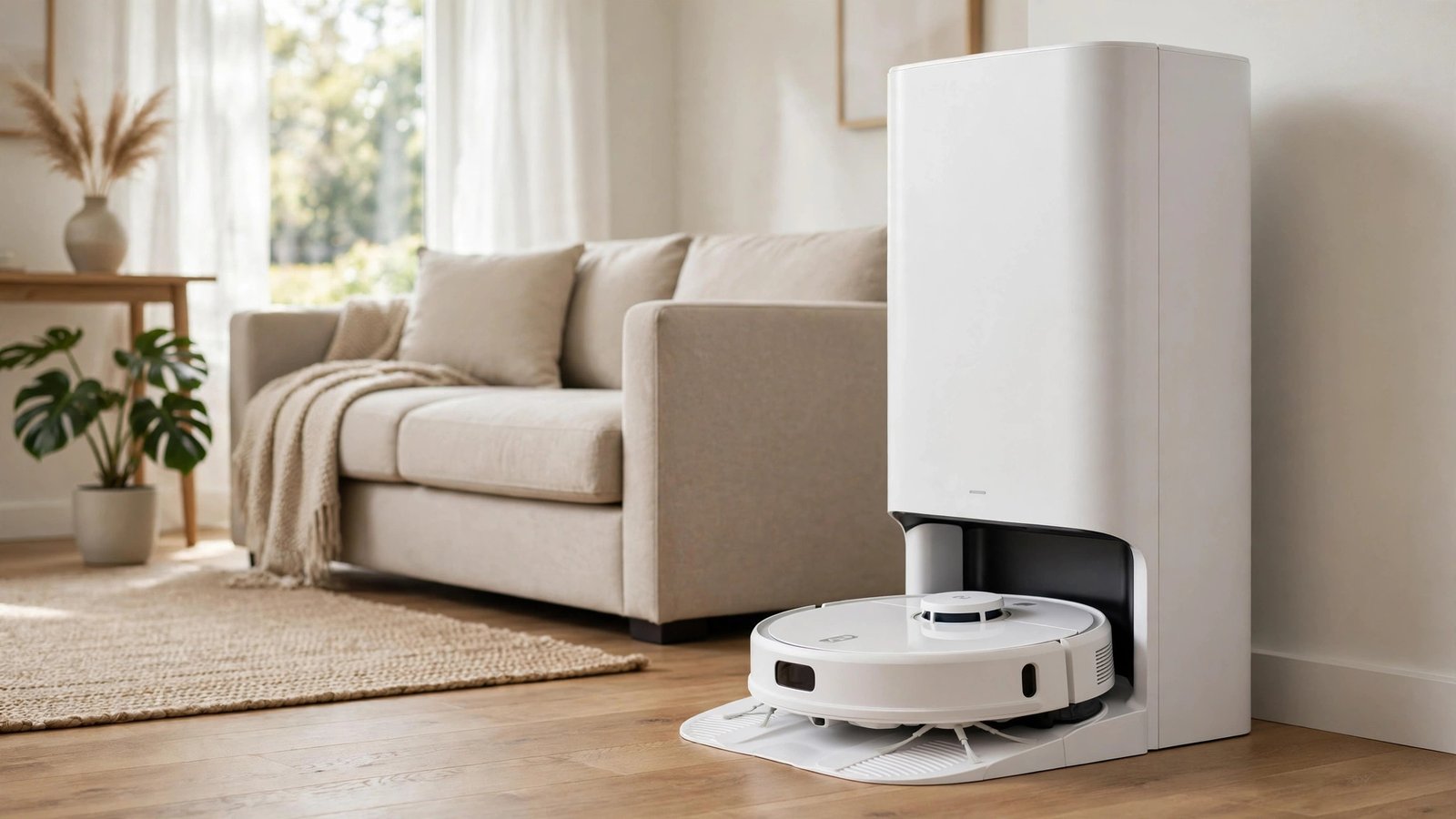
The robot vacuum spec war used to be simple: whoever had the biggest suction number won. That era is ending. Roborock’s newest flagship, the S10 MaxV Ultra Steam, launched on October 12, 2026 in South Korea — and its headline feature isn’t suction at all. It’s steam.
What Roborock actually announced
Here are the verified facts from the launch:
- Steam cleaning up to 110°C. After washing the mop with hot water (up to 100°C), the dock applies high-temperature steam to lift and remove dirt — then dries the mop and dust path with 63°C hot air, and self-cleans the dock itself with 100°C hot water.
- 36,000 Pa suction, roughly 64% stronger than its predecessor, with an anti-tangle brush design meant to handle hair up to 40 cm long.
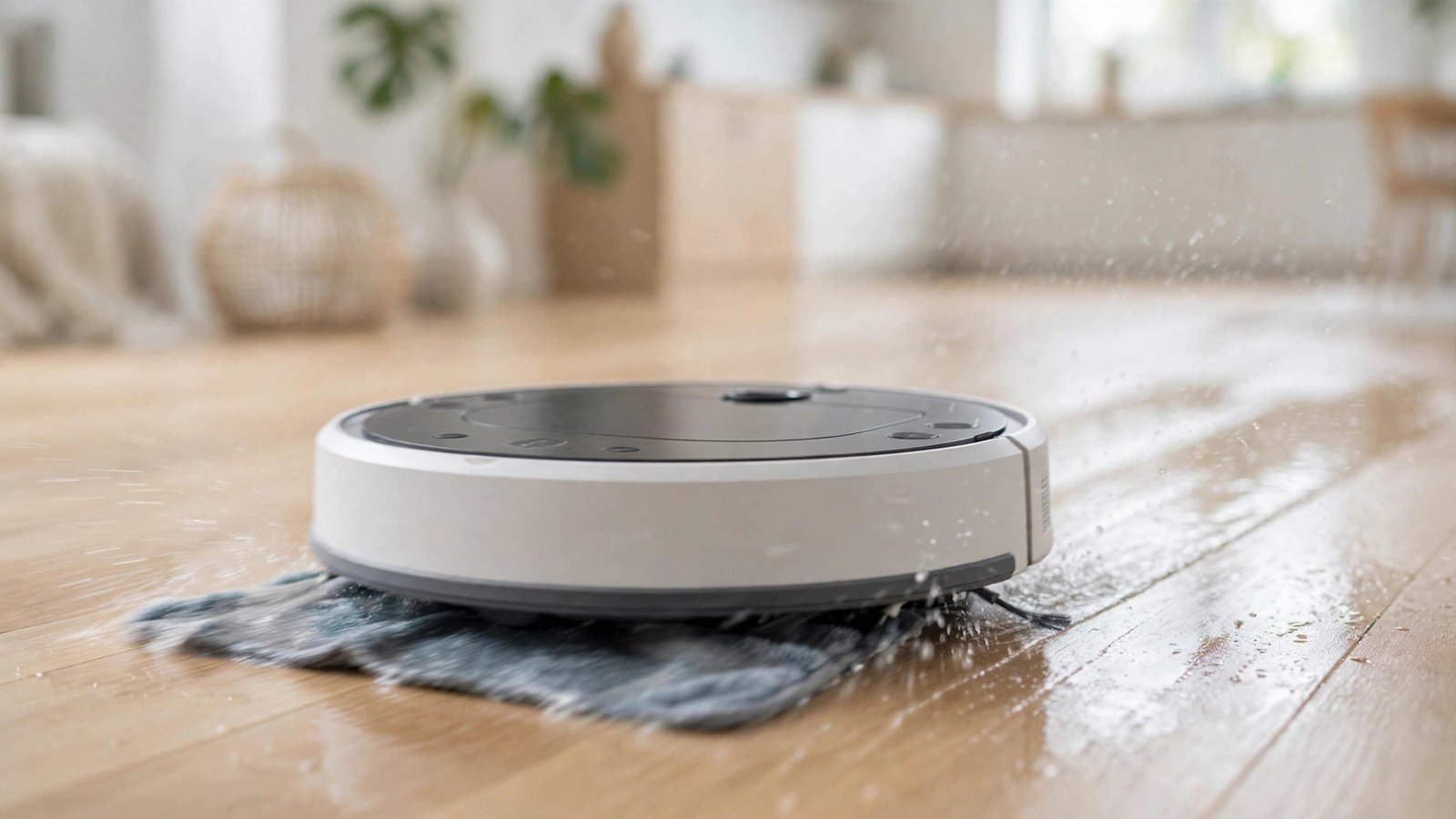
- Vibrarise 5.0 mopping: 14N of downward pressure with up to 4,000 ultrasonic vibrations per minute, plus an expandable mop head that reaches along walls and into corners.
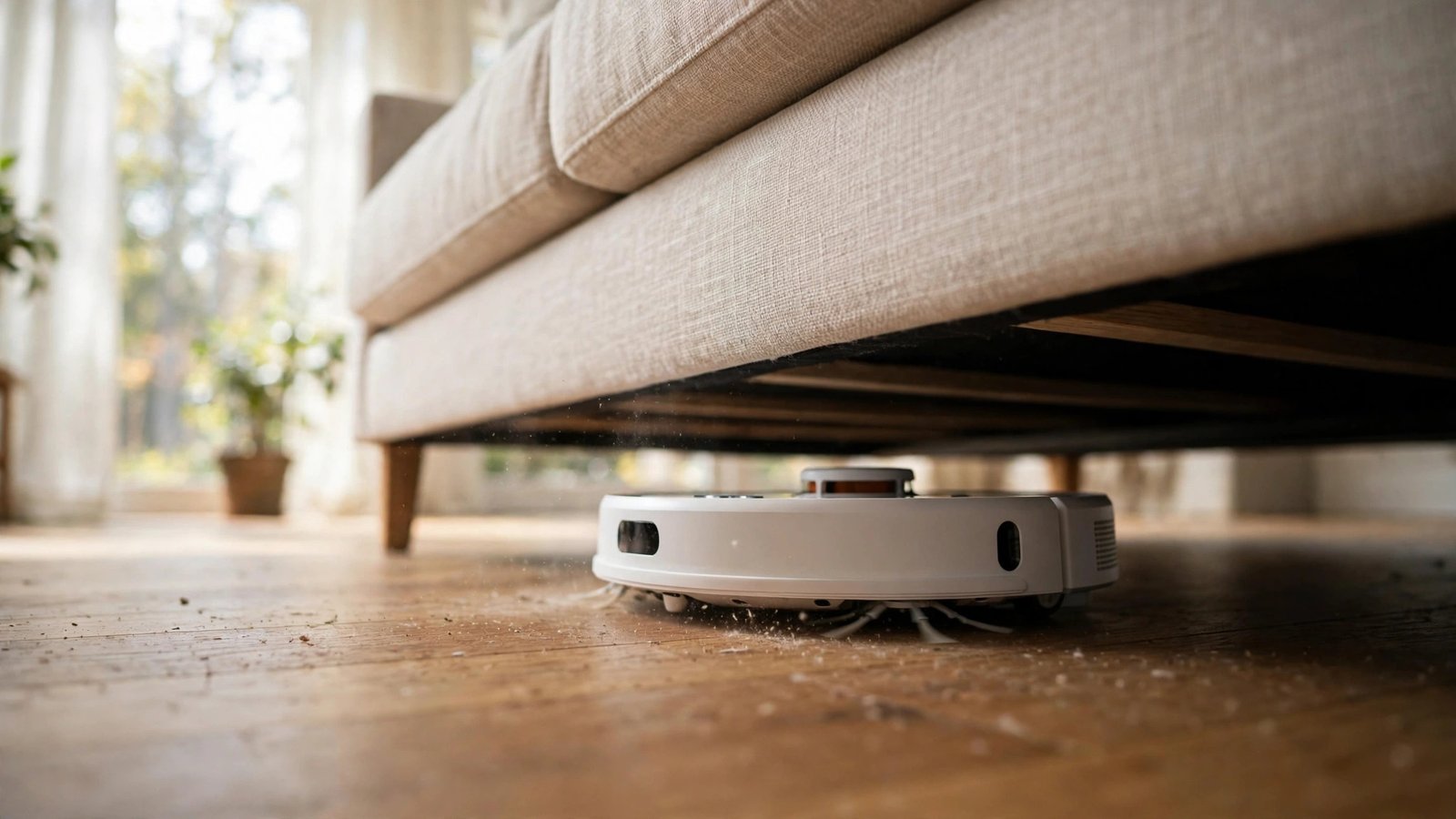
- AdaptLift Chassis 3.0 climbs dual thresholds up to 8.8 cm, while the 7.95 cm body height slides under most sofas and beds.
- Reactive AI 3.0 obstacle recognition uses triple structured light plus an RGB camera to identify over 300 types of objects.
In short: the robot no longer just cleans your floors — it cleans itself, automatically, at temperatures hot enough to matter for hygiene.
Why this launch matters beyond one product
The S10 MaxV Ultra Steam is part of a much bigger shift happening across the industry right now:
- Dreame displaced Roborock as the global leader in robot vacuum unit sales and revenue in Q1 2026, according to IDC data — and the products winning the reviews are the ones with the best mopping and reach, not just the biggest suction numbers.
- IFA 2026 in Berlin was a steam-and-mop showcase: Dreame showed a steam-equipped Aqua20, Ecovacs refreshed its flagship with hygiene-focused upgrades, Dyson rolled out a ten-product fall lineup with three new robot vacuums, and iRobot demoed a two-part “Roomba Duo” concept.
- Roller mops are going mainstream. Instead of dragging a damp pad around, newer models use rollers that continuously wash themselves with fresh water — a fundamentally better way to handle dried and greasy spots.
The takeaway: manufacturers are judged now on how a robot applies and renews water, how it reaches edges, and how little maintenance it needs — not on raw Pa figures alone.
Should you wait for it?
A few honest notes before you get your wallet out:
- Availability is limited so far. The launch announcement covers South Korea. Roborock hasn’t confirmed a US or European release date or pricing at the time of writing — check official channels before assuming it’s coming to your market.
- Steam sounds great, but think about your floors. High-temperature steam is excellent for sealed hard floors; it’s not something you want on unsealed wood or delicate surfaces. The robot’s floor-type detection helps, but know your flooring first.
- The dock is the real upgrade. The most meaningful improvements in this generation aren’t in the robot — they’re in the base station doing the emptying, hot-water washing, steam treatment, and drying. If you’re shopping any brand, compare the docks, not just the robots.
Bottom line
Robot vacuums are growing up: the 2026 flagship race is about post-cleaning hygiene and maintenance convenience, and Roborock’s steam-powered launch is the clearest sign yet. If you’re buying this fall, look past the suction number and ask one question instead: how clean does this thing keep itself?
Sources: Aju Press launch report, Aju Press hands-on, VacuBots IFA 2026 roundup, Particle: Dreame market lead
Leave a Reply